7 Powerful Health Benefits of Mmimmi (Pepper Fruit) You Need to Know
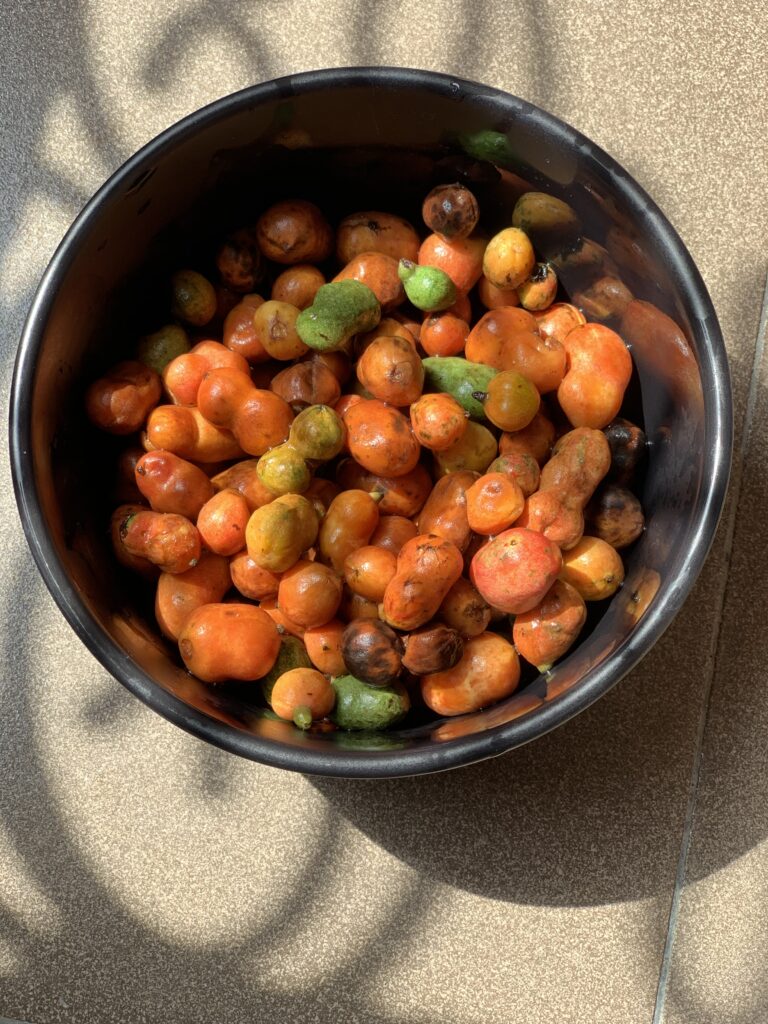
Mmimmi, popularly known as pepper fruit, is one of the most treasured indigenous fruits in West Africa. Botanically called Dennettia tripetala, this spicy fruit is widely consumed in Nigeria for both its rich flavor and traditional medicinal value.
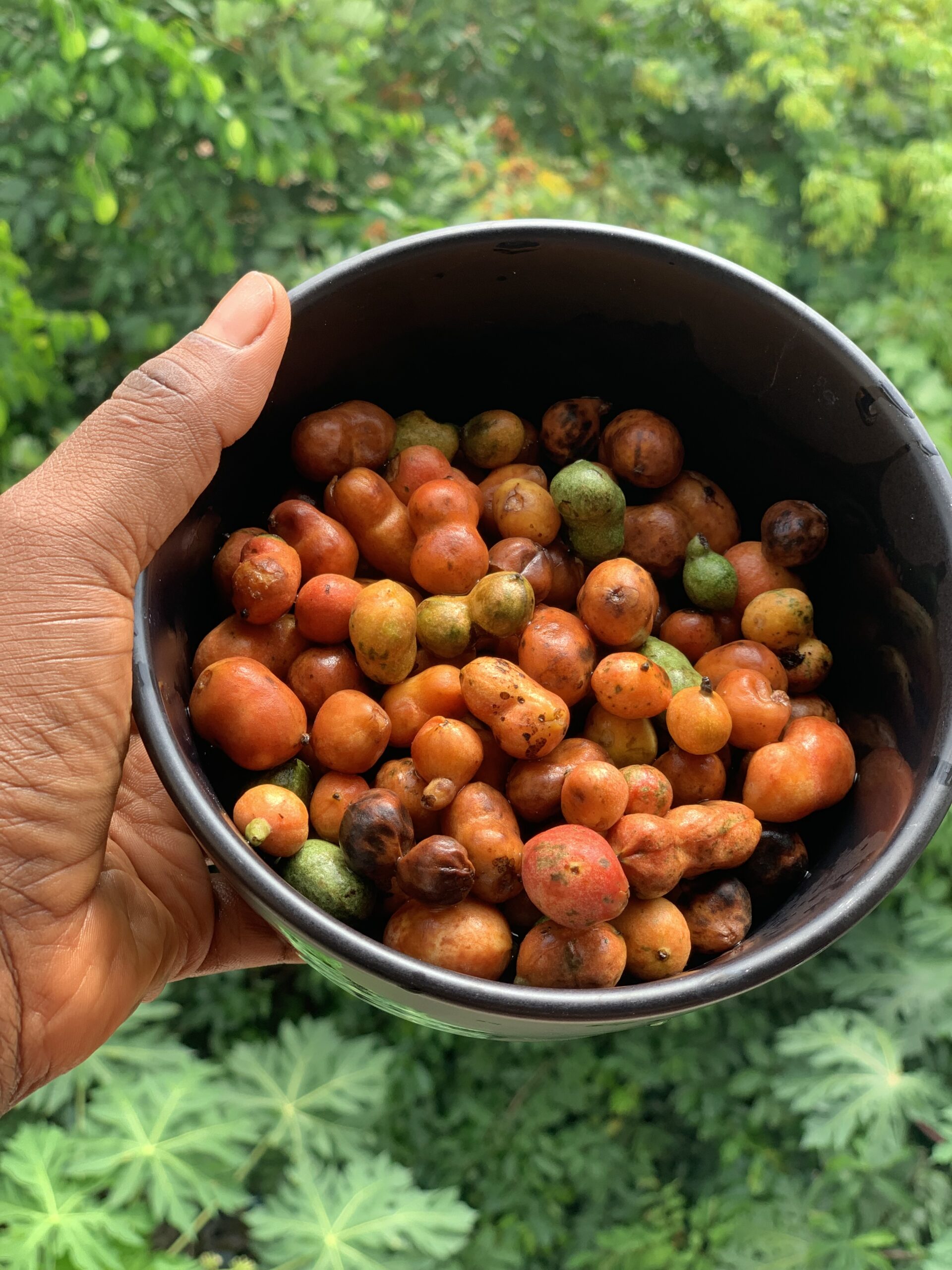
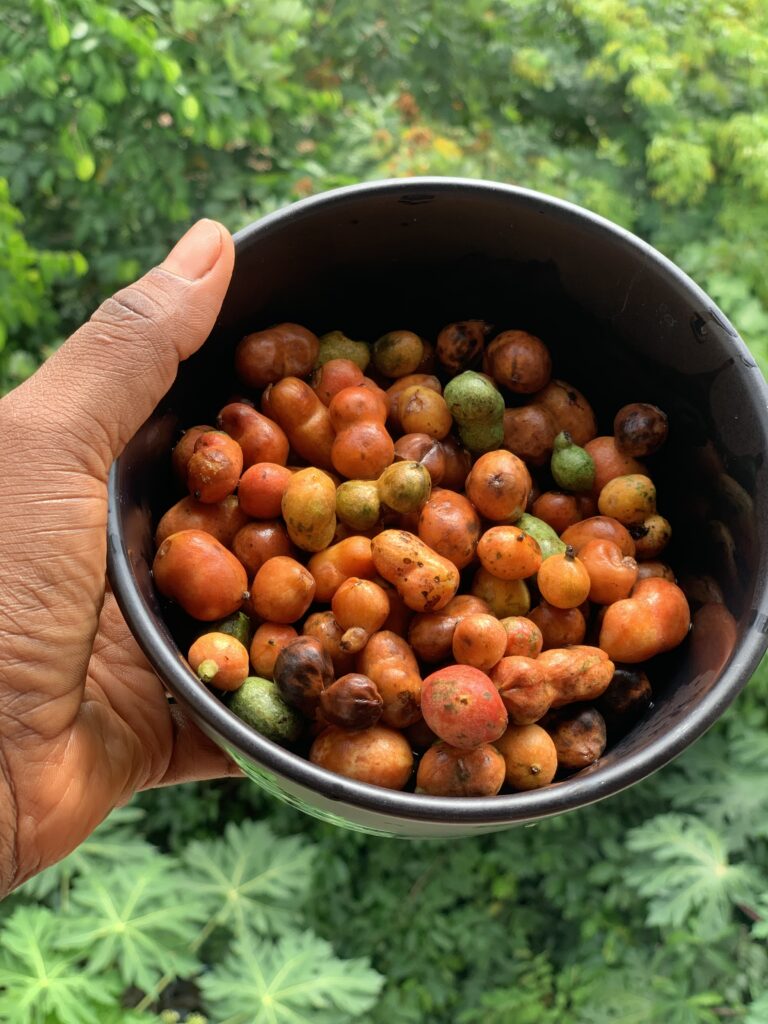
Pepper fruit is small, aromatic, and naturally spicy. It is usually green when unripe and turns reddish or pink as it matures. Despite its small size, Mmimmi is packed with nutrients and bioactive compounds that may support overall health.
For generations, many Nigerian communities have used pepper fruit as a natural remedy for digestion, postpartum recovery, oral health, and immune support. Today, the fruit is gaining wider recognition because of its impressive health benefits.
Here are seven powerful reasons why Mmimmi deserves a place in your diet.
1. Boosts Digestive Health
One of the most popular traditional uses of pepper fruit is improving digestion. Its spicy compounds help stimulate digestive enzymes, which may support smoother digestion and reduce bloating.
Many people chew Mmimmi after meals to ease discomfort and improve appetite naturally. The fruit’s warming effect may also help relieve constipation and indigestion. Read our guide on 20 Foods That Support a Healthy Gut Naturally to know more about digestive wellness
2. Packed With Powerful Antioxidants
Pepper fruit contains antioxidants that help protect the body from free radical damage. Free radicals are unstable molecules that contribute to aging and several chronic health conditions.
By consuming antioxidant-rich foods like Dennettia tripetala, you may support healthier cells, stronger immunity, and better overall wellness.
3. Supports Oral Health Naturally
Mmimmi has natural antimicrobial properties that may help reduce harmful bacteria in the mouth. Traditionally, some people chew pepper fruit to freshen breath and maintain oral hygiene.
Its spicy taste stimulates saliva production, which also helps cleanse the mouth naturally.
4. May Strengthen the Immune System
Pepper fruit contains nutrients such as vitamin C and other plant compounds that may help support immune function. A stronger immune system helps the body fight infections and stay healthier.
During cold or rainy seasons, many people consume pepper fruit because of its warming and soothing effects. Also read 15 Foods That Support a Healthy Immune System Naturally
5. Traditionally Used for Postpartum Recovery
In many Nigerian cultures, pepper fruit is commonly given to women after childbirth. It is believed to help cleanse the body, restore strength, and improve appetite after delivery.
This long-standing traditional practice has made Mmimmi an important part of postpartum care in several communities. Also see Aju Mbaise: Benefits, Uses, How to Use It, and Who Can Take It, if you are struggling with postpartum recovery
6. Helps Warm the Body
Pepper fruit produces a hot, warming sensation when eaten. Because of this, it is often consumed during cold weather or when someone feels chilly.
Some people also use it traditionally to help ease mild cold symptoms and nasal congestion.
7. May Help Regulate Blood Sugar
Some early studies and traditional beliefs suggest that pepper fruit may support healthy blood sugar levels. Although more scientific research is still needed, this has increased interest in the medicinal potential of Mmimmi.
However, people with medical conditions should always seek professional healthcare advice before relying on herbal remedies.
How to Eat Mmimmi
Pepper fruit can be enjoyed in different ways:
- Eaten fresh as a snack
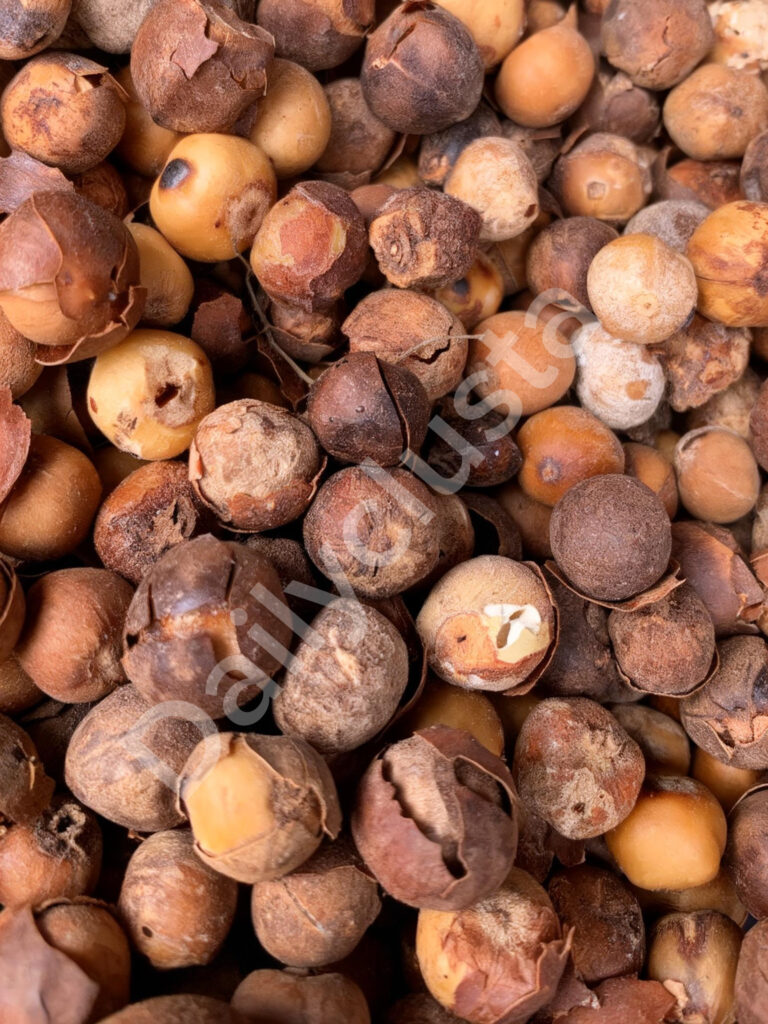
- Dried and chewed
- Added to herbal mixtures
- Used as a spice in local dishes and soups
Ripe pepper fruit is usually slightly sweeter, while unripe ones are more spicy and pungent.
Final Thoughts
Mmimmi, also known as pepper fruit, is far more than a spicy African fruit. Its rich nutritional profile and traditional medicinal uses have made it highly valued for generations.
From supporting digestion and oral health to boosting immunity and aiding postpartum recovery, Dennettia tripetala continues to stand out as one of Nigeria’s most beneficial indigenous fruits.
Adding this flavorful fruit to your diet in moderation may provide both culinary enjoyment and valuable health benefits.
Also see 7 Amazing Health Benefits of Lantana That Will Completely Change How You See This “Common” Plant