
10 Foods That Naturally Help Lower High Blood Pressure

High blood pressure, also known as hypertension, is one of the most common health problems affecting adults around the world. The worrying part is that many people don’t even know they have it because it often develops without noticeable symptoms. Left untreated, it can increase the risk of heart disease, stroke, kidney disease, and other serious health conditions.
The good news is that healthy lifestyle choices can make a real difference. Along with regular exercise, maintaining a healthy weight, managing stress, and following your doctor’s advice, eating the right foods can help support healthy blood pressure.
Certain foods are naturally rich in nutrients like potassium, magnesium, calcium, fiber, and antioxidants. These nutrients help your blood vessels relax, reduce the effects of sodium, and support a healthy heart.
Here are 10 foods that deserve a place on your plate if you’re looking for natural ways to support healthy blood pressure.
1. Leafy Green Vegetables

Photo by Nadine Primeau on Unsplash
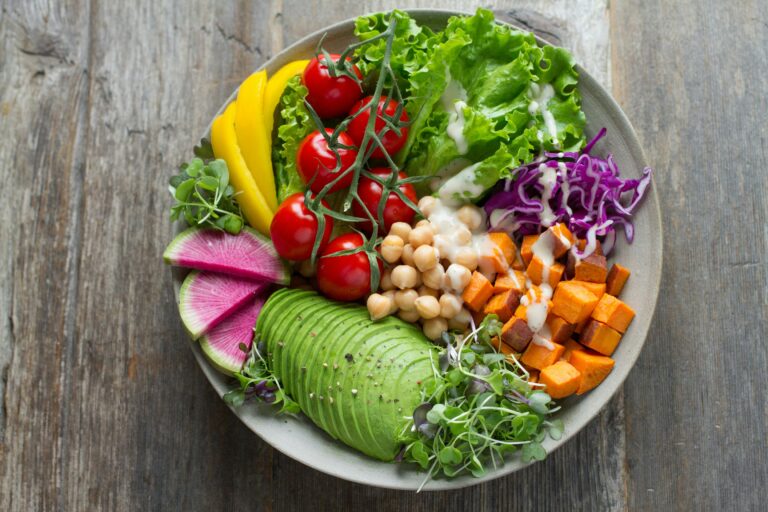
Leafy greens are among the best foods for heart health. Vegetables like spinach, kale, pumpkin leaves (ugu), scent leaves, and other dark green vegetables are packed with potassium.
Potassium helps your body remove excess sodium through urine. Since too much sodium is closely linked to high blood pressure, getting enough potassium can help maintain healthier blood pressure levels.
Leafy greens are also rich in nitrates. Your body converts these nitrates into nitric oxide, a compound that helps blood vessels relax and widen, allowing blood to flow more easily.
Simple ways to eat more leafy greens include:
- Add spinach to omelets.
- Include ugu or other green vegetables in soups and stews.
- Blend spinach into smoothies.
- Serve a fresh green salad with lunch or dinner.
Healthy eating is just one part of the equation. If you’re looking for more simple ways to improve your overall health, don’t miss our post on 10 Easy Healthy Habits to Transform Your Well-Being Today.
2. Bananas

Photo by Ries Bosch on Unsplash
Bananas are one of the easiest and most affordable sources of potassium. Eating potassium-rich foods regularly can help balance sodium levels in the body and support normal blood pressure.
Bananas also contain fiber, vitamin C, and vitamin B6, making them a nutritious snack for people of all ages.
Try adding bananas to:
- Breakfast oatmeal
- Smoothies
- Fruit salads
- Yogurt
- Whole grain toast with peanut butter
Remember that one food alone won’t lower blood pressure overnight. Bananas work best as part of a balanced diet filled with fruits and vegetables.
3. Berries

Photo by Sneha Cecil on Unsplash
Strawberries, blueberries, raspberries, and blackberries are loaded with antioxidants called anthocyanins. These natural plant compounds help protect blood vessels from damage and may improve their ability to relax.
Berries are also high in fiber and vitamin C, making them an excellent choice for overall heart health.
Enjoy berries by:
- Mixing them into yogurt.
- Adding them to oatmeal.
- Blending them into smoothies.
- Eating them as a healthy snack.
If fresh berries aren’t available, frozen berries are a great alternative because they retain most of their nutrients.
Looking for another heart-friendly ingredient to add to your meals? Discover the 7 Powerful Health Benefits of Cayenne Pepper That Will Instantly Grab Your Attention and learn why this spicy kitchen staple deserves a place in your diet.
4. Oats

Photo by micheile henderson on Unsplash
Oats are one of the healthiest whole grains you can eat. They are rich in soluble fiber, especially beta-glucan, which supports heart health in several ways.
Eating oats regularly may help lower cholesterol levels, improve blood vessel function, and support healthy blood pressure.
Unlike sugary breakfast cereals, plain oats provide lasting energy without causing large spikes in blood sugar.
Healthy ways to enjoy oats include:
- Warm oatmeal topped with fresh fruit.
- Overnight oats.
- Homemade oat pancakes.
- Oat smoothies.
Choose plain oats whenever possible and limit added sugar.
5. Fatty Fish
Fatty fish such as salmon, sardines, tuna, and mackerel contain omega-3 fatty acids. These healthy fats are known for supporting heart health.
Omega-3s may help reduce inflammation, improve blood vessel function, and support healthy blood pressure over time.
Aim to eat fish at least twice a week if possible. Grilling, baking, steaming, or lightly boiling fish is usually healthier than deep frying.
If you don’t eat fish, talk to your healthcare provider before taking omega-3 supplements, as supplements aren’t suitable for everyone.
6. Beans
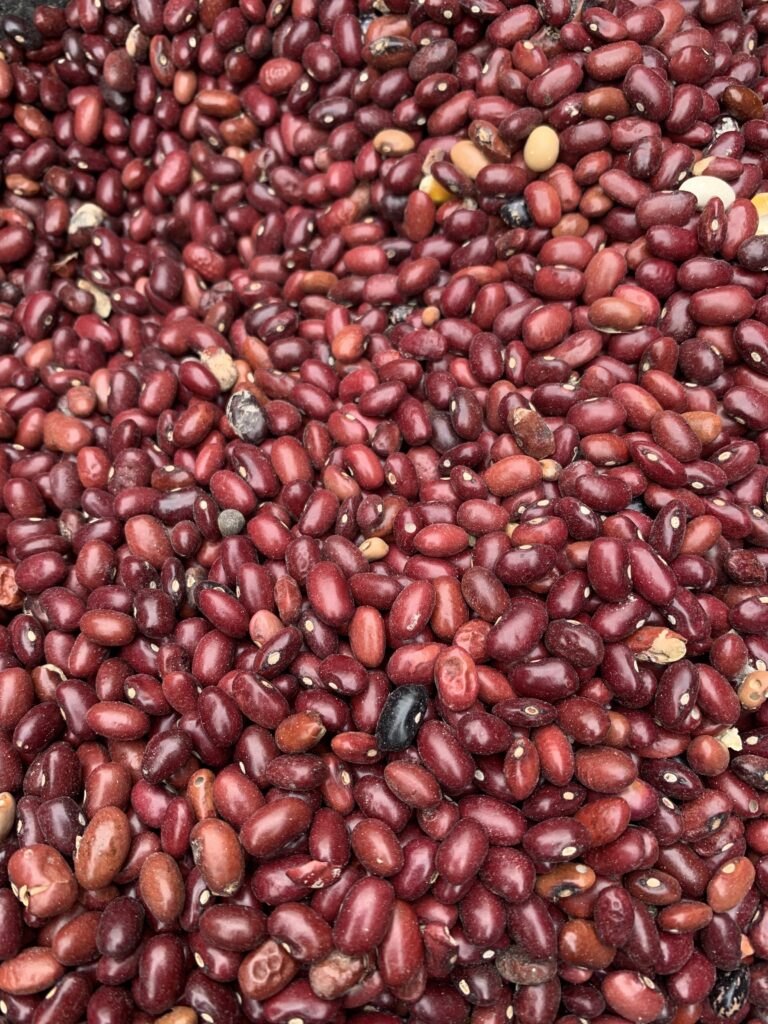

Beans are an affordable, filling, and nutritious food that can benefit both your heart and your overall health. Kidney beans, black beans, brown beans, white beans, and other legumes are packed with fiber, potassium, magnesium, and plant-based protein.
The high fiber content helps support healthy cholesterol levels, while potassium and magnesium play important roles in maintaining normal blood pressure. Since beans are also low in saturated fat, they make an excellent alternative to processed meats.
Here are a few easy ways to enjoy beans:
- Add them to soups and stews.
- Toss them into salads.
- Make homemade bean porridge.
- Serve them with brown rice or boiled plantains.
- Blend them into healthy dips.
If you’re using canned beans, rinse them well under running water to remove some of the added sodium.
7. Garlic

Photo by Surya Prakash on Unsplash
Garlic has been used in cooking and traditional medicine for centuries, and modern research suggests it may also support heart health.
Garlic contains natural compounds, including allicin, which may help relax blood vessels and improve blood flow. Some studies have found that regular garlic consumption may contribute to modest reductions in blood pressure, especially when combined with a healthy lifestyle.
Fresh garlic is usually the best option.
You can add garlic to:
- Soups
- Rice dishes
- Vegetable stir-fries
- Marinades
- Homemade sauces
Garlic works best as part of a balanced diet, not as a replacement for prescribed medication.
8. Yogurt
Plain yogurt is another heart-friendly food worth including in your diet. It provides calcium, potassium, protein, and probiotics that support overall health.
Calcium helps your blood vessels function properly, while potassium helps your body manage sodium levels. Choosing plain, unsweetened yogurt also helps reduce your intake of added sugars.
Enjoy yogurt by:
- Mixing it with fresh fruit.
- Adding a handful of nuts or seeds.
- Using it in smoothies.
- Serving it as a healthy snack.
If you are lactose intolerant, calcium-fortified plant-based yogurt can be a suitable alternative.
9. Avocados

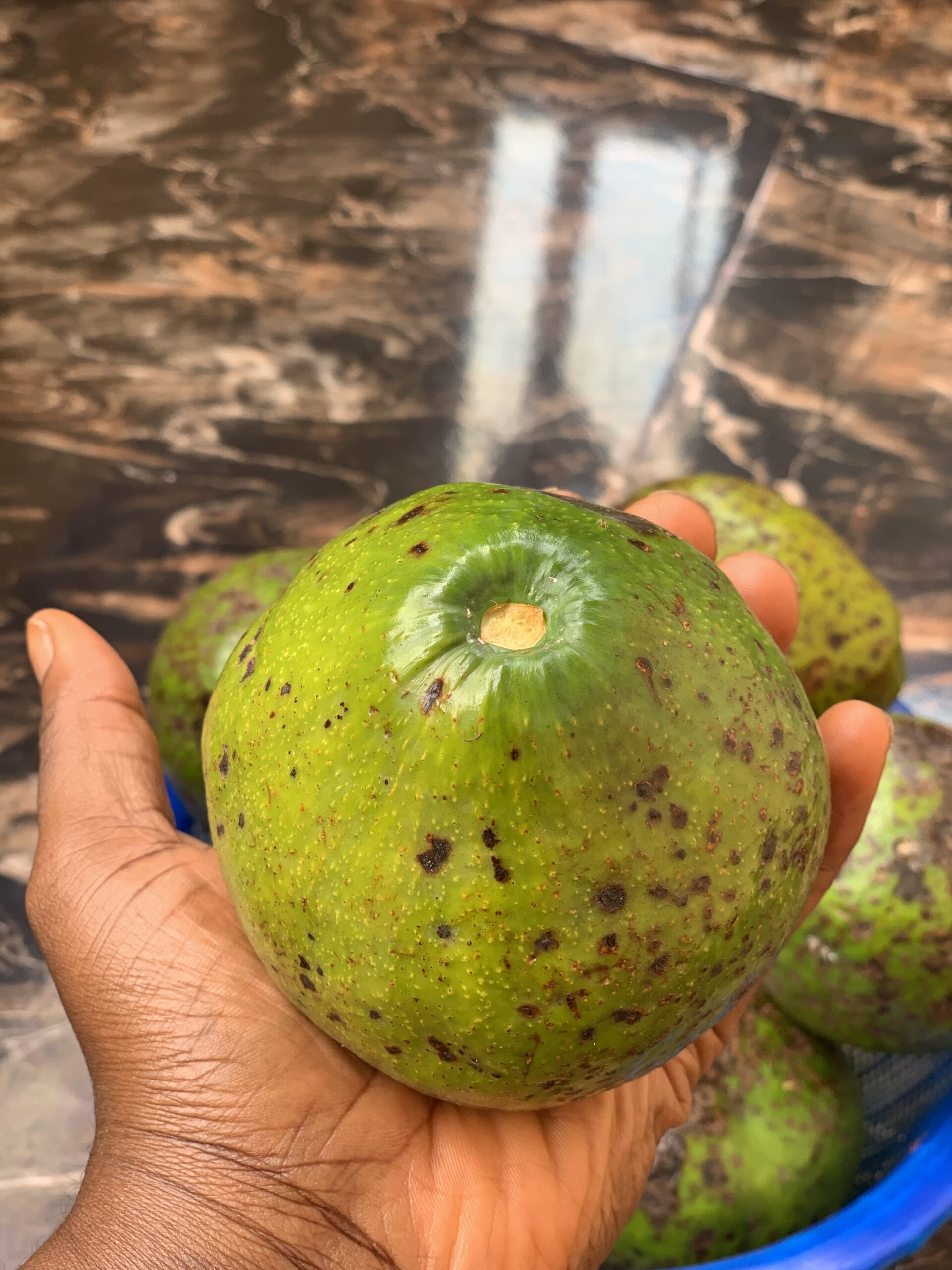
Avocados are rich in heart-healthy monounsaturated fats, potassium, magnesium, and fiber. These nutrients work together to support healthy blood pressure and improve overall heart health.
Unlike foods high in unhealthy fats, avocados provide satisfying nutrition that can fit into many meals.
Simple ways to eat avocados include:
- Spread on whole-grain toast.
- Added to salads.
- Blended into smoothies.
- Served with eggs.
- Mashed as a healthy dip.
Because avocados are calorie-dense, enjoy them in moderate portions as part of a balanced diet.
10. Beetroot
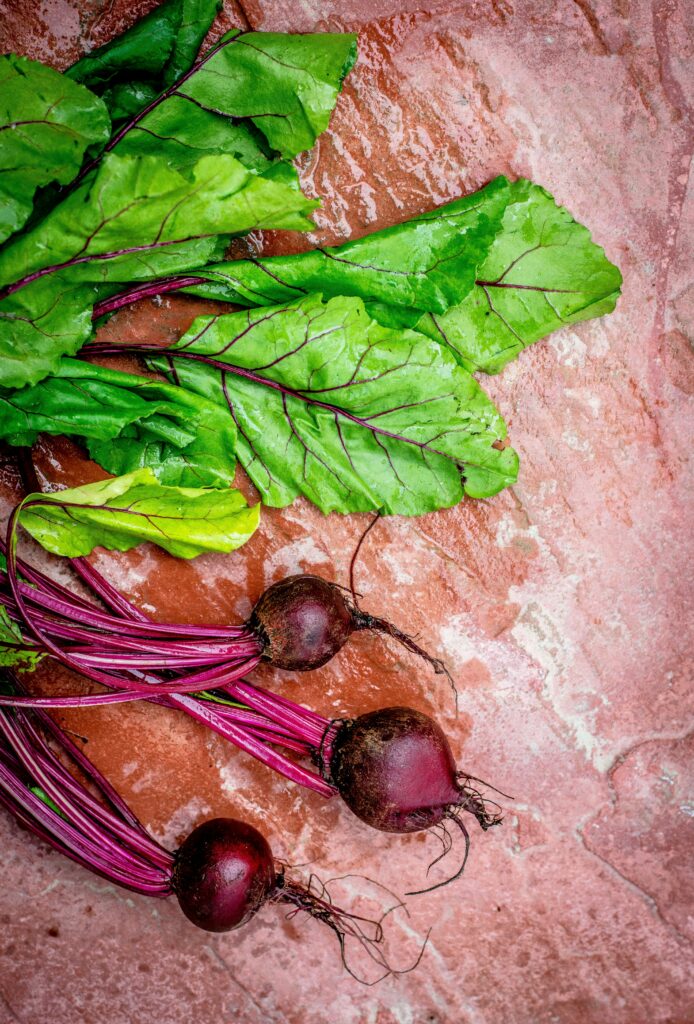
Photo by Monika Grabkowska on Unsplash
Beetroot is known for its potential benefits for blood pressure. It contains natural nitrates that the body converts into nitric oxide. This helps relax and widen blood vessels, allowing blood to flow more easily.
Many people enjoy beetroot as:
- Fresh juice
- Roasted vegetables
- Salads
- Soups
- Smoothies
While beetroot can be a healthy addition to your meals, it should not replace any medication your healthcare provider has prescribed.
Nature offers more health-supporting plants than many people realize. If you’re curious about another fascinating plant, read 7 Amazing Health Benefits of Lantana That Will Completely Change How You See This “Common” Plant.
Other Habits That Help Keep Blood Pressure Healthy
Food is only one part of the picture. These everyday habits can also make a difference:
- Reduce your intake of salty and highly processed foods.
- Stay physically active most days of the week.
- Maintain a healthy weight.
- Drink enough water throughout the day.
- Limit alcohol consumption.
- Avoid smoking.
- Get enough quality sleep.
- Find healthy ways to manage stress, such as walking, reading, praying, or spending time with loved ones.
Small, consistent changes often have a bigger impact than trying to change everything at once.
Foods to Limit
If you’re trying to manage your blood pressure, it’s just as important to know what to eat less of.
Try to limit:
- Processed meats like sausages and bacon.
- Instant noodles.
- Salty snacks such as chips.
- Sugary drinks.
- Fast food.
- Foods high in saturated and trans fats.
- Excessive table salt.
These foods can contribute to high blood pressure when eaten frequently.
Final Thoughts
Managing high blood pressure doesn’t happen overnight, but the food choices you make every day can have a lasting impact on your heart health.
Adding more leafy greens, bananas, berries, oats, fatty fish, beans, garlic, yogurt, avocados, and beetroot to your meals is a simple step toward a healthier lifestyle. Combined with regular exercise, quality sleep, stress management, and routine medical care, these foods can help support healthy blood pressure over time.
Remember that no single food is a cure for hypertension. If you’ve been diagnosed with high blood pressure or take medication, continue following your healthcare provider’s advice. Think of healthy eating as one important part of a long-term plan to protect your heart and improve your overall well-being.
Frequently Asked Questions
Can food alone lower high blood pressure?
Healthy eating can help support healthy blood pressure, but it’s usually most effective when combined with other healthy habits and any treatment recommended by your healthcare provider.
What is the best fruit for high blood pressure?
There isn’t one “best” fruit, but bananas, berries, oranges, kiwi, and avocados are all rich in nutrients that support heart health.
How much salt should I eat if I have high blood pressure?
Most adults should limit sodium intake. If you have high blood pressure, your healthcare provider may recommend an even lower amount based on your individual needs.
Are eggs good for people with high blood pressure?
For most people, eggs can be part of a balanced diet. The overall quality of your diet is generally more important than any single food.
How long does it take for diet changes to affect blood pressure?
Some people notice improvements within a few weeks, while for others it may take longer. Consistency is the key to seeing lasting benefits.