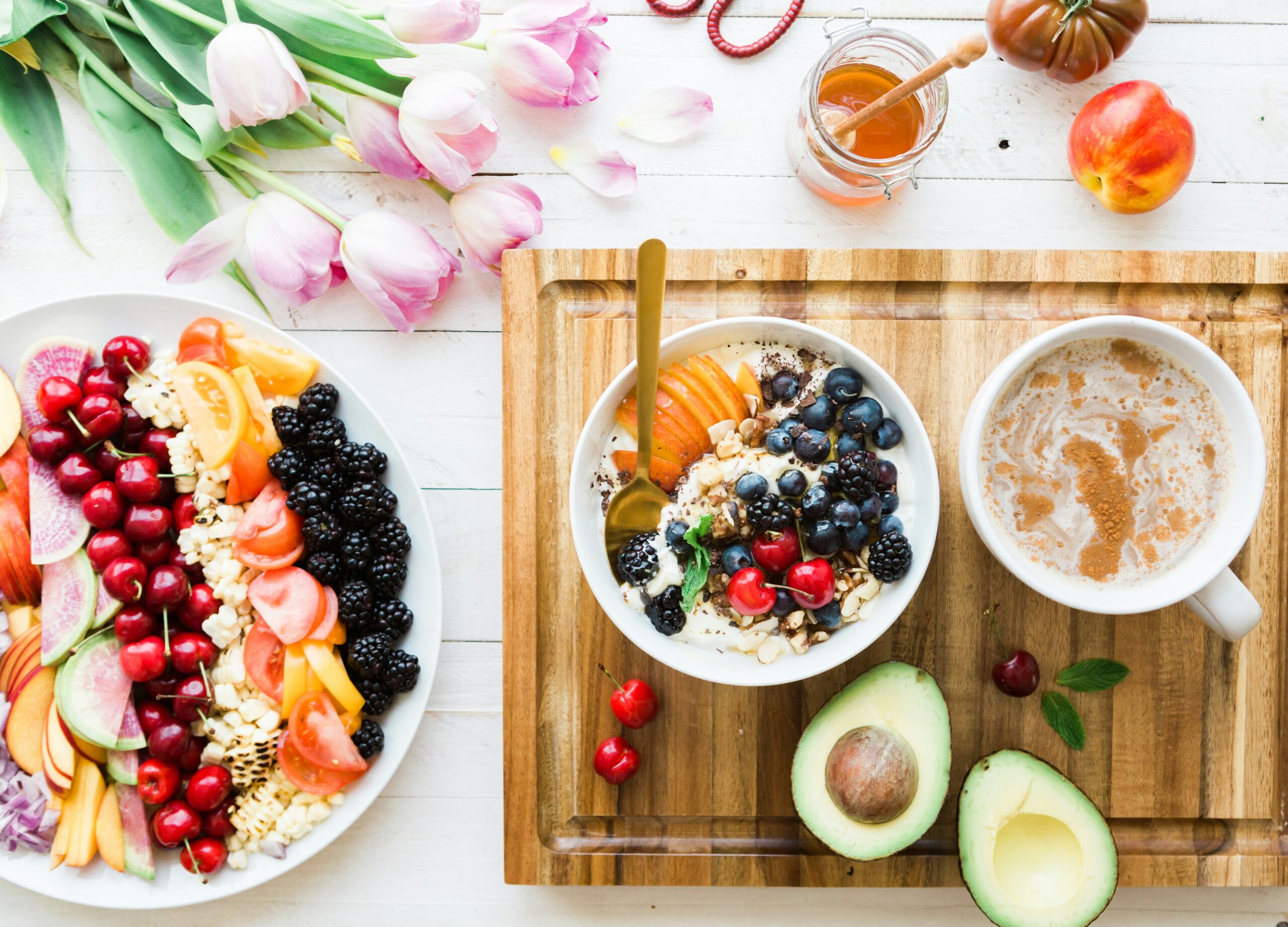
20 Foods That Support a Healthy Gut Naturally

A healthy gut does much more than digest the food you eat. It plays an important role in your immune system, energy levels, mood, and overall well-being. Inside your digestive system are trillions of tiny microorganisms, including bacteria, fungi, and other microbes. Together, they make up what is known as the gut microbiome.
When these microorganisms are balanced, your digestive system works more efficiently. But when that balance is disrupted, you may experience problems such as bloating, constipation, diarrhea, gas, stomach discomfort, or frequent illness.
The good news is that what you eat can have a big impact on your gut health. Certain foods feed the beneficial bacteria in your digestive system, while others introduce more healthy bacteria or provide nutrients that help your gut function properly.
Here are 20 foods that can naturally support a healthy gut and help keep your digestive system in good shape.
1. Yogurt

Yogurt is one of the best-known foods for gut health because it contains probiotics, which are live beneficial bacteria. These probiotics help maintain a healthy balance of bacteria in your digestive system.
When buying yogurt, choose plain varieties with live cultures whenever possible. Flavored yogurts often contain added sugars, which can reduce some of the health benefits.
Enjoy yogurt with fresh fruit, oats, or a handful of nuts for a nutritious snack.
A healthy gut starts with more than just the food on your plate. Discover simple daily practices in our article, 10 Easy Healthy Habits to Transform Your Well-Being Today.
2. Oats

Oats are packed with soluble fiber, especially beta-glucan, which acts as a prebiotic. Prebiotics are foods that nourish the beneficial bacteria already living in your gut.
Eating oats regularly may help improve digestion, support regular bowel movements, and keep you feeling full for longer.
Try oats as:
- Warm oatmeal
- Overnight oats
- Smoothies
- Homemade pancakes
3. Bananas

Bananas are gentle on the stomach and rich in fiber. They also contain resistant starch, particularly when they are slightly green. Resistant starch feeds healthy gut bacteria and supports digestive health.
Bananas can also help replace potassium lost during diarrhea and may be easier to digest than many other fruits when your stomach is upset.
They’re perfect as a quick snack or sliced over cereal and yogurt.
4. Apples

An apple a day really can be good for your digestive system.
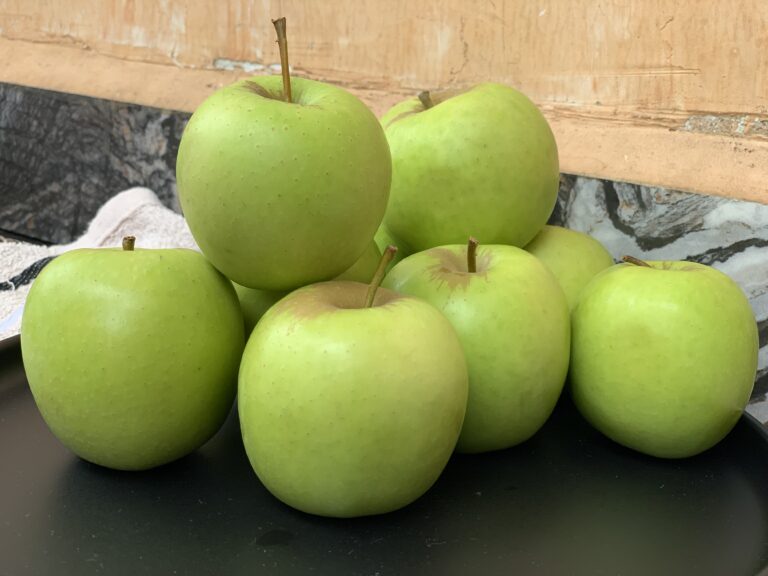
Apples contain pectin, a type of soluble fiber that feeds beneficial gut bacteria. Pectin also helps promote regular bowel movements and supports healthy digestion.
Leave the skin on whenever possible because that’s where much of the fiber is found.
5. Garlic
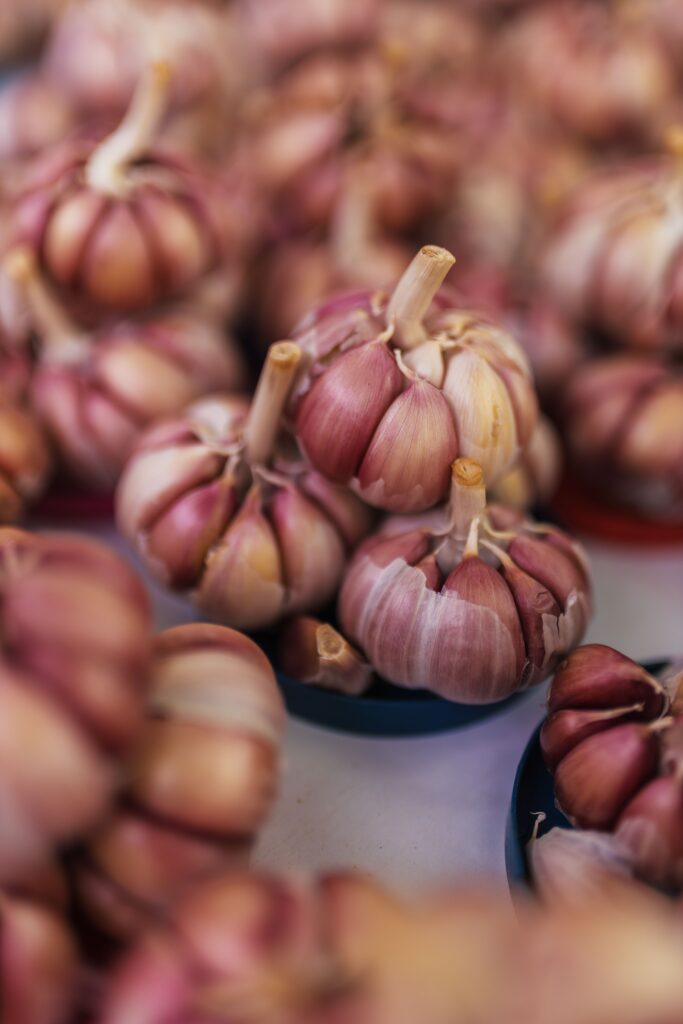
Garlic does more than add flavor to your meals. It also contains natural compounds that act as prebiotics, helping beneficial bacteria grow in your digestive tract.
Adding fresh garlic to soups, stews, sauces, vegetables, and rice dishes is an easy way to support gut health while making meals more delicious.
Adding herbs and spices to your meals can make healthy eating more enjoyable. Learn more in 7 Powerful Health Benefits of Cayenne Pepper That Will Instantly Grab Your Attention.
6. Onions

Like garlic, onions are rich in prebiotic fiber. They help nourish beneficial gut bacteria and may contribute to better digestion over time.
Whether eaten raw in salads or cooked in your favorite dishes, onions are a simple addition to a gut-friendly diet.
7. Beans
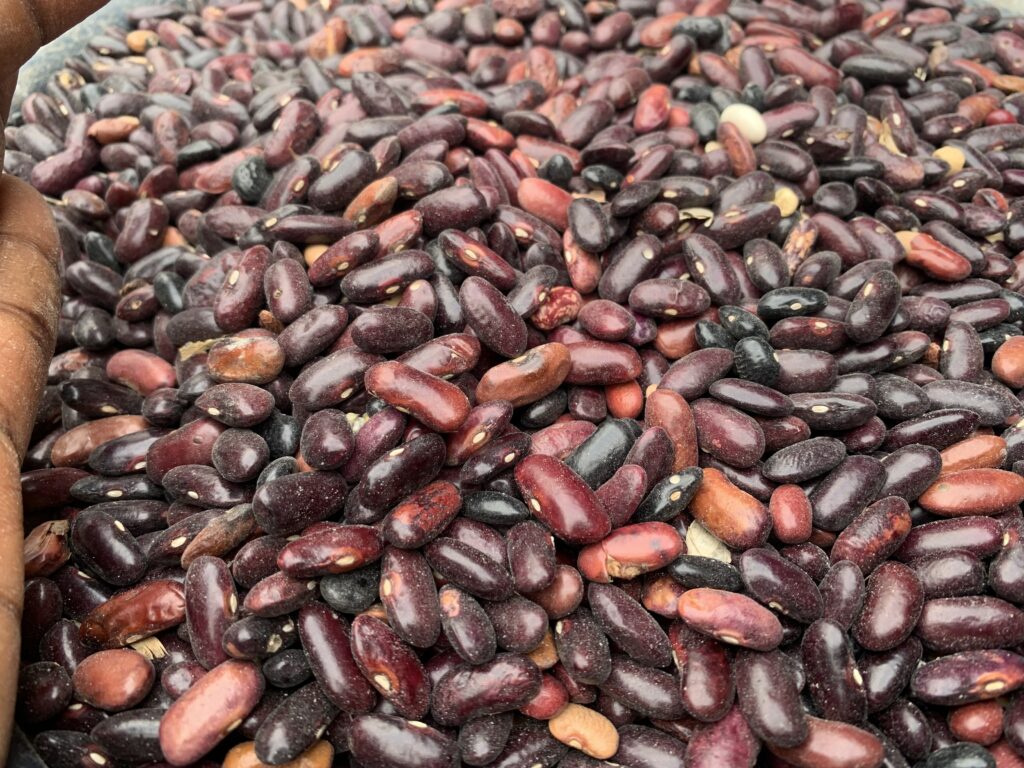
Beans are among the richest sources of dietary fiber. Kidney beans, black beans, brown beans, and white beans all provide fiber that supports regular bowel movements and feeds healthy bacteria in the gut.
They’re also rich in plant protein, making them both filling and nutritious.
Beans are packed with fiber that helps nourish your gut microbiome. Find out why they’re worth adding to your meals in Kidney Beans: Nutrition, Health Benefits, and Why You Should Eat More.
To reduce gas, soak dried beans before cooking and introduce them gradually if you’re not used to eating them regularly.
8. Leafy Green Vegetables
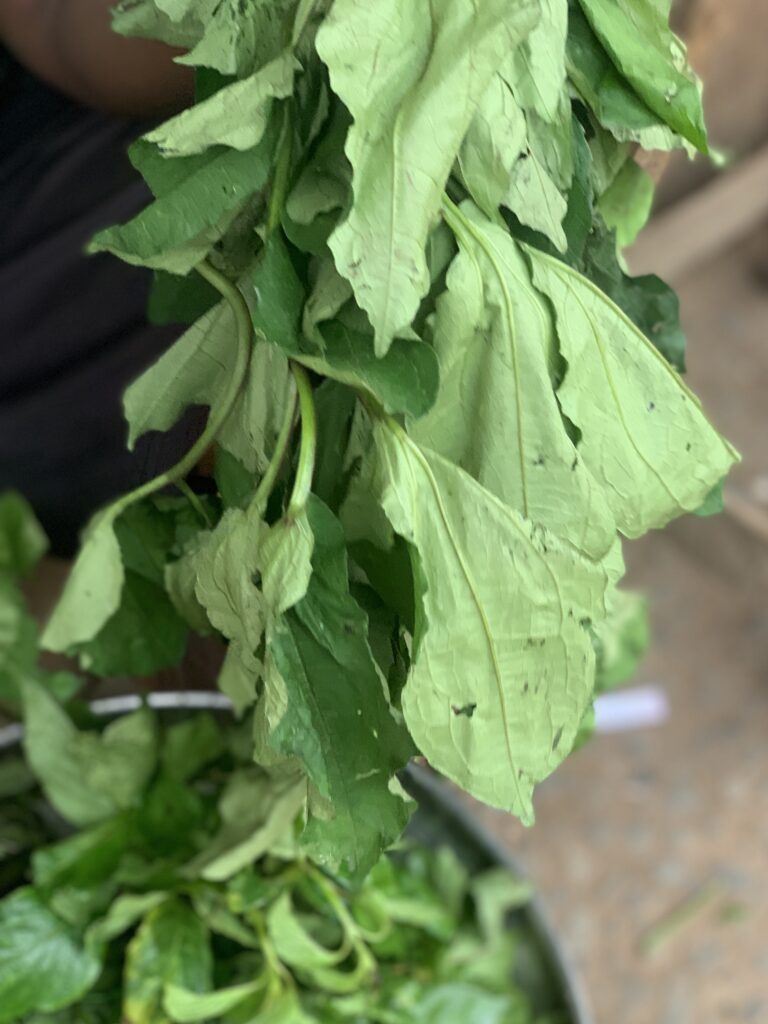
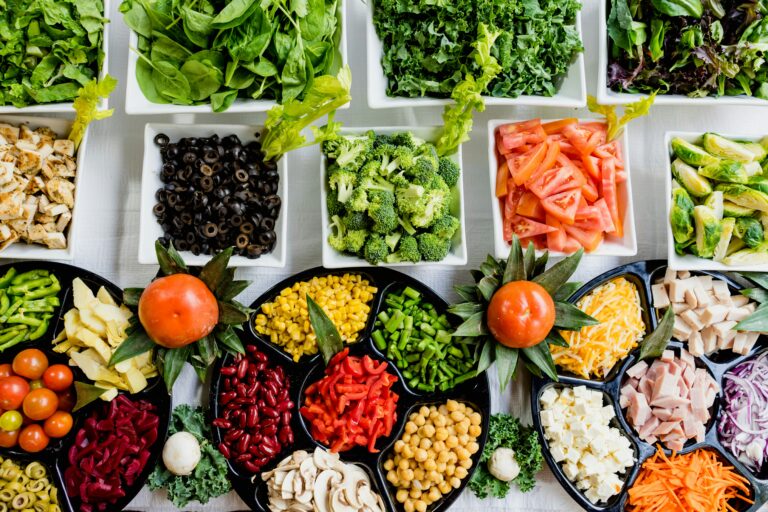
Dark leafy greens like spinach, kale, pumpkin leaves (ugu), scent leaves, and other green vegetables provide fiber, vitamins, minerals, and antioxidants that support overall digestive health.
Research suggests these vegetables also contain nutrients that encourage the growth of beneficial gut bacteria.
Aim to include leafy greens in your meals several times each week.
Looking for another fiber-rich food to include in your diet? Read Okra: Powerful Nutritional Benefits and Why It’s Good for Your Health to discover why this everyday vegetable deserves a place on your plate.
9. Sweet Potatoes

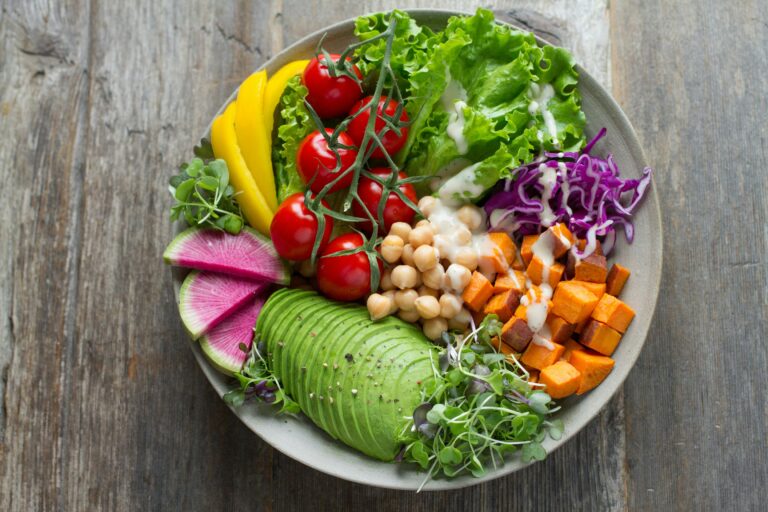
Sweet potatoes are rich in fiber and antioxidants that support healthy digestion. They’re also gentle on the stomach and make an excellent source of complex carbohydrates.
Bake, boil, or roast them instead of frying to get the most nutritional benefits.
10. Avocados

Avocados are loaded with fiber and healthy fats that support both your digestive system and your heart.
Their high fiber content helps beneficial bacteria thrive while promoting regular bowel movements.
Enjoy avocados on whole-grain toast, in salads, or blended into smoothies.
Avocados are one of the foods on this list for good reason. Learn more about why they’re so nutritious in 11 Surprising Health Benefits of Avocado.
11. Berries

Berries such as blueberries, strawberries, raspberries, and blackberries are packed with fiber and antioxidants that support both gut and overall health. The fiber feeds beneficial gut bacteria, while antioxidants help protect your cells from damage.
Fresh or frozen berries are both nutritious options. Add them to yogurt, oatmeal, or smoothies, or enjoy them as a snack.
12. Ginger

Ginger has long been used to ease digestive discomfort. It may help reduce nausea, support healthy digestion, and encourage food to move through the digestive tract more efficiently.
You can enjoy ginger in tea, soups, stir-fries, or freshly grated into smoothies.
13. Flaxseeds
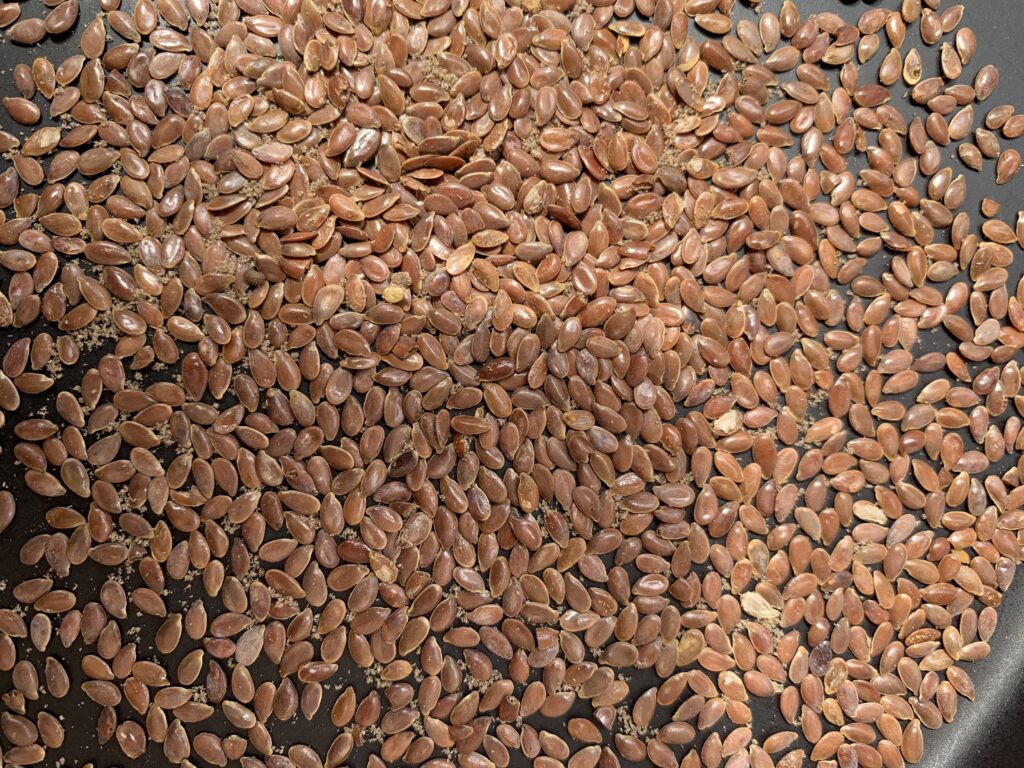
Flaxseeds are an excellent source of fiber and plant-based omega-3 fats. Their fiber helps keep your digestive system moving regularly while feeding beneficial gut bacteria.
For the best results, use ground flaxseeds instead of whole seeds, as they are easier for your body to digest.
14. Chia Seeds

Tiny but packed with nutrients, chia seeds absorb water and form a gel-like texture that supports healthy digestion. They are rich in fiber and can help promote regular bowel movements.
Sprinkle chia seeds over yogurt, oatmeal, or blend them into smoothies.
15. Almonds

Almonds contain healthy fats, fiber, and plant compounds that support a healthy gut microbiome. They’re also a satisfying snack that can help keep hunger under control.
Choose plain, unsalted almonds whenever possible.
16. Lentils

Lentils are another excellent source of fiber and plant protein. They help nourish beneficial bacteria while supporting healthy digestion and keeping you feeling full for longer.
They’re perfect for soups, stews, salads, and curries.
17. Kefir
Kefir is a fermented milk drink that contains a wide variety of probiotics. Many people find it even richer in beneficial bacteria than yogurt.
Its tangy flavor makes it enjoyable on its own or blended into fruit smoothies.
If kefir isn’t available where you live, plain yogurt with live cultures is still an excellent choice.
18. Sauerkraut

Sauerkraut is made by fermenting cabbage. During fermentation, beneficial bacteria develop naturally, making it a rich source of probiotics.
Choose unpasteurized varieties when available, as they contain more live cultures.
Enjoy small amounts as a side dish or topping for meals.
19. Kimchi

Kimchi is a traditional Korean dish made from fermented vegetables. Like sauerkraut, it contains probiotics that support gut health.
Because kimchi can be spicy and high in sodium, enjoy it in moderation, especially if you’re watching your salt intake.
20. Asparagus

Asparagus contains inulin, a natural prebiotic fiber that feeds beneficial bacteria in your digestive system.
Roasted, steamed, or grilled asparagus makes a delicious side dish that supports digestive health.
Foods That Can Harm Gut Health
Just as some foods nourish your gut, others can upset the balance of beneficial bacteria when eaten too often.
Try to limit:
- Sugary drinks
- Highly processed snacks
- Fast food
- Processed meats
- Excessive alcohol
- Foods high in added sugar
- Deep-fried foods
Enjoying these foods occasionally is fine, but building your meals around whole, nutrient-rich foods is a healthier long-term approach.
Everyday Habits That Support a Healthy Gut
Your daily habits matter just as much as the foods you eat.
Here are a few simple ways to take care of your digestive system:
- Eat a variety of fruits and vegetables.
- Drink plenty of water throughout the day.
- Stay physically active.
- Get enough sleep each night.
- Manage stress through activities you enjoy.
- Avoid unnecessary use of antibiotics unless prescribed by your healthcare provider.
- Eat slowly and chew your food well.
Small, consistent habits often have a greater impact than making drastic changes all at once.
Final Thoughts
Your gut works hard every day, and the foods you choose can make a real difference in how well it functions. By eating more fiber-rich, probiotic, and prebiotic foods, you’re helping create an environment where beneficial gut bacteria can thrive.
You don’t need to overhaul your diet overnight. Start by adding one or two gut-friendly foods to your meals each week, then build from there. Over time, these small changes can support better digestion, stronger immunity, and improved overall health.
Remember, no single food can guarantee perfect gut health. A balanced diet, regular exercise, quality sleep, and healthy lifestyle habits all work together to keep your digestive system functioning at its best.
Frequently Asked Questions
What is the best food for gut health?
There isn’t one single best food. A combination of probiotic foods like yogurt and kefir, along with fiber-rich foods such as oats, beans, fruits, and vegetables, provides the greatest benefits.
How can I improve my gut health naturally?
Eat more fruits, vegetables, whole grains, legumes, and fermented foods. Stay hydrated, exercise regularly, get enough sleep, and manage stress.
Are probiotics better than prebiotics?
Both are important. Probiotics add beneficial bacteria to your gut, while prebiotics feed the healthy bacteria already living there. Together, they help maintain a balanced gut microbiome.
How long does it take to improve gut health?
Some people notice improvements within a few weeks of eating a healthier diet, while others may take longer. Consistency is the key to lasting results.
Can drinking water improve gut health?
Yes. Staying well hydrated supports healthy digestion and helps fiber do its job, making it easier for your digestive system to function properly.
Many of the foods that support a healthy gut are also good for your heart. If you’re looking for more heart-friendly meal ideas, read our post on 10 Foods That Naturally Help Lower High Blood Pressure.