
15 Signs Your Body May Be Missing Important Nutrients (And What You Can Do About It)

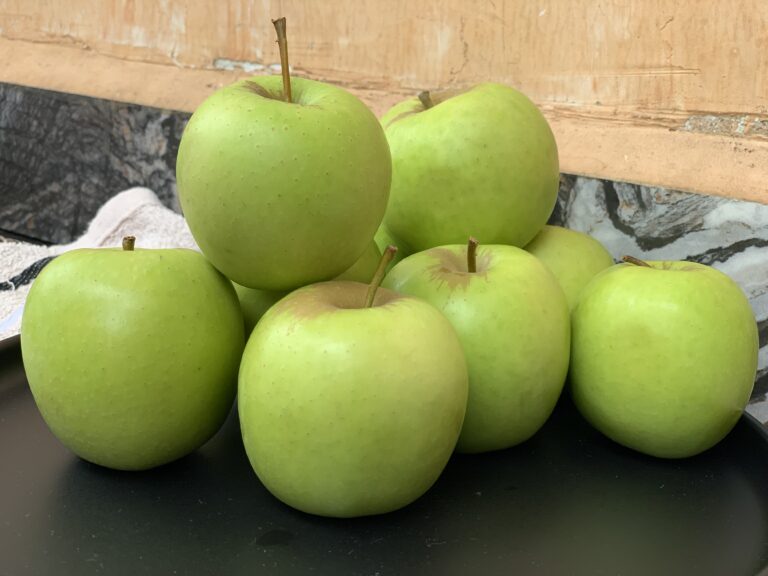
Photo by Tamas Pap on Unsplash
Introduction
Signs your body may be missing important nutrients are often easy to overlook. Constant fatigue, dry skin, muscle cramps, frequent headaches, or getting sick more often than usual can sometimes be your body’s way of telling you that it’s not getting enough essential vitamins or minerals.
Your body relies on vitamins, minerals, healthy fats, protein, and other nutrients to function properly every single day. When you’re not getting enough of certain nutrients over time, your body often sends warning signs long before a serious deficiency develops. You can learn more about the importance of healthy eating from the Harvard T.H. Chan School of Public Health.
The good news is that many mild nutrient deficiencies can be improved by eating a balanced diet filled with a variety of nutrient-rich foods. Understanding these early signs can help you make healthier choices and know when it’s time to seek professional advice.
Let’s look at some common signs that may indicate your body needs more of certain nutrients and simple ways you can support your health naturally.
Why Nutrients Matter
Every cell in your body depends on nutrients to produce energy, repair tissues, support your immune system, strengthen your bones, and keep your heart, brain, muscles, and digestive system functioning properly.
When your diet lacks variety or consistently misses key nutrients, your body may struggle to perform these everyday functions as efficiently as it should.
This doesn’t mean every symptom points to a nutrient deficiency, but paying attention to persistent changes in your body is always worthwhile.
Learning to recognize the signs your body may be missing important nutrients can help you make healthier food choices and know when it’s time to seek professional advice.
1. Constant Fatigue
Feeling tired after a long day is normal. Feeling exhausted even after getting enough sleep is different.
Low levels of iron, vitamin B12, folate, or vitamin D can contribute to ongoing fatigue by affecting your body’s ability to produce energy and healthy red blood cells.
Foods that may help
- Lean meat
- Eggs
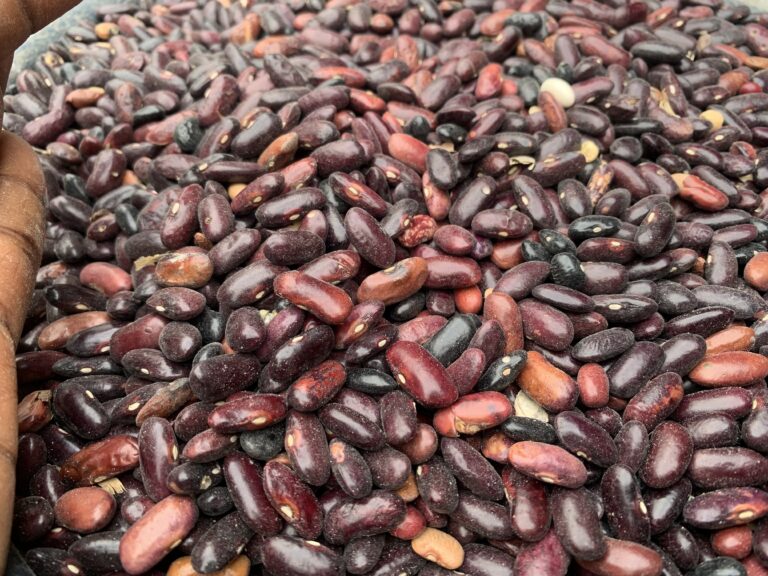
- Beans
- Lentils
- Spinach
- Fortified cereals
- Fatty fish
If fatigue continues for several weeks or is severe, it’s important to speak with a healthcare professional rather than assuming it’s caused by your diet.
2. Frequent Illness
If you seem to catch every cold that’s going around, your immune system may need more nutritional support.
Several nutrients, including vitamin C, vitamin D, zinc, and protein, play important roles in supporting normal immune function.
Foods that may help
- Citrus fruits
- Bell peppers
- Yogurt
- Pumpkin seeds
- Chicken
- Fish
- Beans
Looking for more ways to support your overall health? Read our guide on Everyday Mistakes That Can Affect Your Health to learn about common habits that may be affecting your well-being.
3. Dry Skin
Dry or rough skin isn’t always caused by the weather.
Low intake of healthy fats and certain vitamins, including vitamins A and E, may affect your skin’s ability to stay healthy and hydrated.
Foods that may help
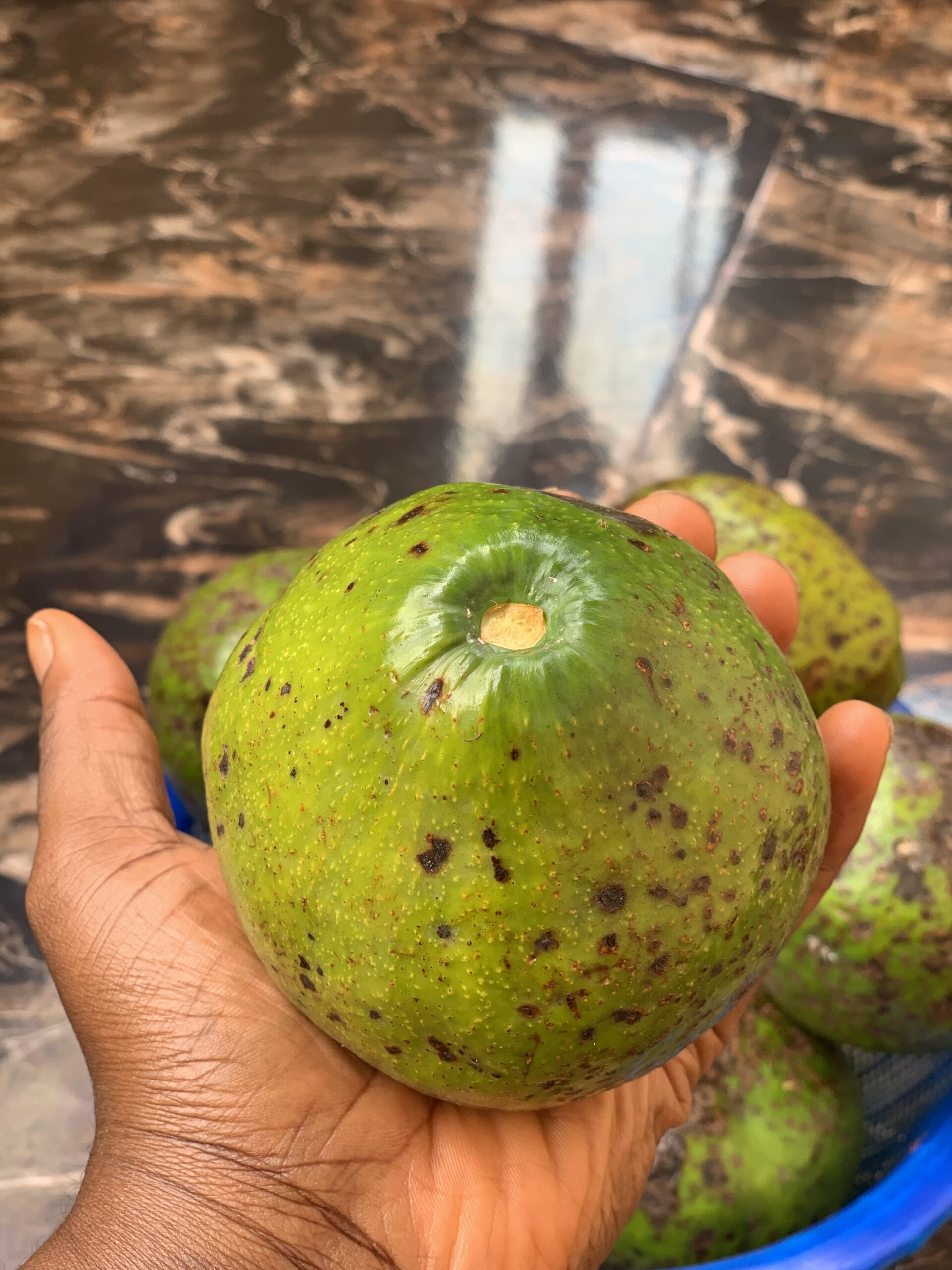
- Avocados
- Nuts
- Seeds
- Sweet potatoes
- Carrots
- Olive oil
4. Brittle Hair and Nails
Hair and nails are often among the first places where nutritional changes become noticeable.
Low levels of iron, zinc, biotin, or protein may contribute to weak nails or increased hair shedding, although other medical conditions can also play a role.
Foods that may help
- Eggs
- Salmon
- Beans
- Almonds
- Greek yogurt
5. Muscle Cramps
Frequent muscle cramps may be linked to dehydration, intense exercise, or low levels of minerals such as magnesium, potassium, or calcium.
Foods that may help
- Bananas
- Leafy greens
- Yogurt
- Beans
- Nuts
- Seeds
6. Mouth Ulcers or Cracks at the Corners of Your Mouth
Occasional mouth ulcers happen to many people, especially after accidentally biting the inside of the mouth or eating spicy foods. However, if they keep coming back, they could sometimes be linked to low levels of iron, B vitamins, or zinc.
Cracks at the corners of the mouth can also be a sign that your body isn’t getting enough of certain nutrients.
Foods that may help
- Eggs
- Chicken
- Fish
- Whole grains
- Beans
- Spinach
- Fortified cereals
7. Poor Night Vision
Do you find it difficult to see clearly in dim light or while driving at night?
Vitamin A plays an important role in maintaining healthy vision. Although poor night vision can have several causes, a lack of vitamin A may contribute to the problem.
Foods that may help
- Carrots
- Sweet potatoes
- Pumpkin
- Mangoes
- Eggs
- Liver
If your vision suddenly changes, don’t ignore it. Always consult an eye care professional.
8. Slow Wound Healing
Small cuts and scrapes normally heal over time. If you notice that wounds seem to take much longer than usual, your body may need more nutrients to support tissue repair.
Protein, vitamin C, and zinc all play important roles in the healing process.
Foods that may help
- Citrus fruits
- Lean meat
- Fish
- Beans
- Bell peppers
- Tomatoes
9. Bleeding Gums
If your gums bleed frequently while brushing or flossing, poor oral hygiene isn’t the only possible explanation.
Low vitamin C intake may sometimes contribute to weak, bleeding gums, although gum disease remains the most common cause.
Foods that may help
- Oranges
- Guava
- Kiwi
- Strawberries
- Bell peppers
- Broccoli
If bleeding continues, schedule a dental check-up.
10. Difficulty Concentrating
Everyone has days when it’s hard to focus.
However, persistent brain fog or difficulty concentrating may sometimes be linked to low intake of nutrients such as iron, vitamin B12, omega-3 fatty acids, or vitamin D.
Foods that may help
- Salmon
- Sardines
- Eggs
- Walnuts
- Beans
- Leafy vegetables
Getting enough sleep, staying hydrated, and managing stress are also important for maintaining good concentration.
11. Tingling or Numbness in the Hands and Feet
Occasional tingling after sitting in one position for too long is normal.
However, persistent numbness or tingling should never be ignored.
Low vitamin B12 levels are one possible cause, but nerve problems, diabetes, and other medical conditions can also produce similar symptoms.
Foods that may help
- Eggs
- Dairy products
- Fish
- Lean meat
- Fortified cereals
If the sensation continues or worsens, seek medical evaluation promptly.
12. Frequent Bone or Joint Pain
Strong bones require more than just calcium.
Vitamin D helps your body absorb calcium effectively, while magnesium also supports bone health.
Low levels of these nutrients may contribute to bone discomfort in some people.
Foods that may help
- Dairy products
- Sardines
- Salmon
- Fortified milk
- Mushrooms
- Leafy greens
Regular weight-bearing exercise also helps maintain strong bones.
13. Mood Changes
Nutrition affects more than physical health.
Poor eating habits may sometimes contribute to low energy levels and changes in mood, although emotional well-being is influenced by many factors.
Omega-3 fatty acids, B vitamins, vitamin D, and magnesium all support normal brain function.
Foods that may help
- Fatty fish
- Avocados
- Nuts
- Seeds
- Whole grains
- Leafy vegetables
Remember that persistent anxiety or depression deserves professional support and shouldn’t be treated with diet alone.
14. Pale Skin
Paler-than-usual skin can sometimes be associated with iron deficiency or low vitamin B12 levels because both nutrients help your body produce healthy red blood cells.
If you notice ongoing paleness along with fatigue or shortness of breath, it’s worth discussing with your healthcare provider.
Foods that may help
- Lean beef
- Liver
- Beans
- Lentils
- Spinach
- Eggs
15. Constant Hunger Even After Eating
Feeling hungry shortly after meals isn’t always because you didn’t eat enough.
Meals that lack protein, healthy fats, or fiber are often less satisfying and may leave you reaching for snacks sooner than expected. The World Health Organization also recommends eating a varied, balanced diet to support overall health and well-being.
Foods that may help
- Eggs
- Greek yogurt
- Beans
- Nuts
- Avocados
- Oats
- Whole grains
Building balanced meals can help you stay full longer while providing your body with a wider range of nutrients.
Need healthier snack ideas that keep you satisfied between meals? Check out 30 Healthy Snacks for Busy People That Keep You Full and Energized for simple, nutritious options.
Healthy Habits That Help Prevent Nutrient Deficiencies
You don’t need an expensive diet or a long list of supplements to support your health. In many cases, simple everyday habits can make a meaningful difference.
Here are a few habits worth adopting:
- Eat a variety of colorful fruits and vegetables each week.
- Include a source of protein with every meal.
- Choose whole grains more often than refined grains.
- Drink enough water throughout the day.
- Spend time outdoors safely to support vitamin D production where appropriate.
- Limit highly processed foods that are low in essential nutrients.
- Avoid skipping meals regularly.
- Schedule routine health check-ups if you have ongoing symptoms or health concerns.
These habits won’t guarantee perfect health, but they provide a strong foundation for meeting your nutritional needs.
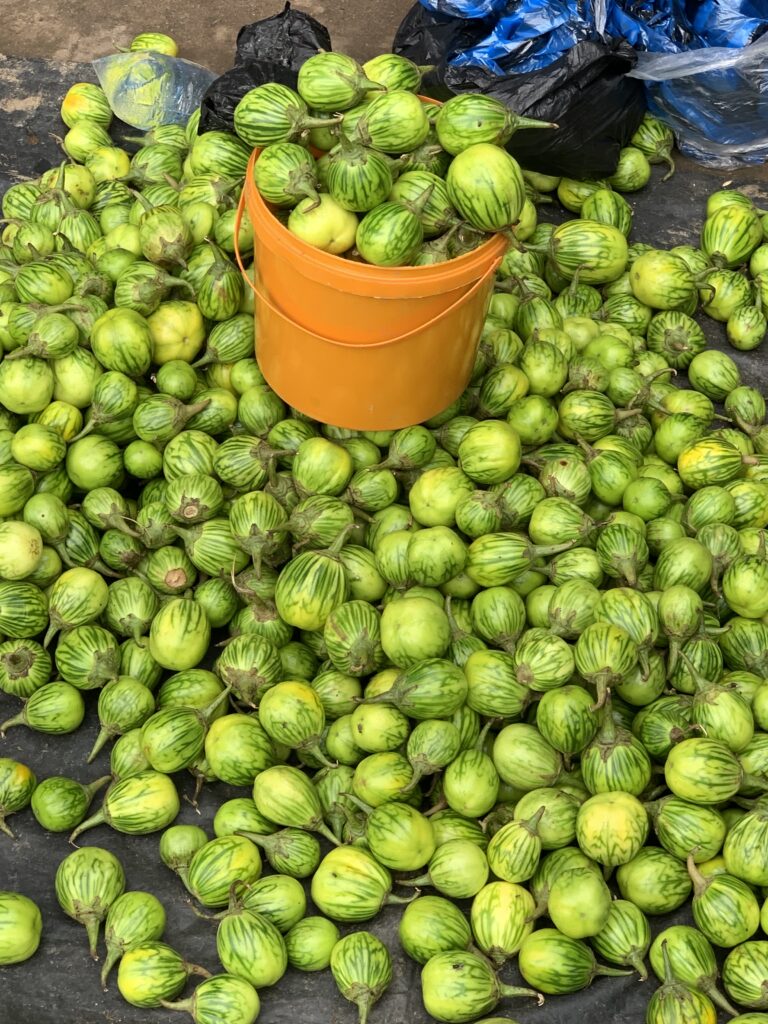
One nutritious vegetable worth adding to your meals is garden egg. Learn more in our article on The Health Benefits of Garden Egg.
When to See a Healthcare Professional
Although nutrition plays an important role in overall health, it’s important to remember that these signs are not enough to diagnose a nutrient deficiency. Many of them can be caused by other medical conditions.
If your symptoms are persistent, severe, or getting worse, speak with a qualified healthcare professional. They may recommend blood tests or other assessments to determine the underlying cause and guide appropriate treatment.
Building healthier habits doesn’t have to be complicated. You may also enjoy reading 10 Easy Healthy Habits to Transform Your Well-Being Today for practical changes you can start making right away.
Final Thoughts
Your body has its own way of letting you know when something isn’t quite right. Paying attention to persistent changes and responding with healthy habits can make a real difference over time.
Rather than focusing on one “superfood” or a quick fix, aim to build balanced meals that include a variety of nutrient-rich foods. Small, consistent choices can help support your health, improve your energy levels, and contribute to your overall well-being.
The information in this article is meant to educate and encourage healthier habits, not to replace professional medical advice. If you’re concerned about your symptoms, consult a healthcare provider for personalized guidance.