10 Amazing Health Benefits of Garden Egg You Should Know
Have you ever picked up a garden egg at the market without giving much thought to what it can actually do for your health?
For many people across Nigeria and other parts of Africa, garden egg is a familiar food. It’s often enjoyed as a quick snack, served with roasted groundnuts, added to soups, or included in traditional meals. While its slightly bitter taste may not appeal to everyone at first, garden egg has remained a favorite for generations because it’s affordable, versatile, and easy to find.
What many people don’t realize is that garden egg is packed with nutrients that can support your overall health. it helps you meet your daily fiber needs to providing important vitamins and antioxidants.
The best part? You don’t need to eat large amounts or prepare complicated recipes to enjoy its benefits. Adding garden egg to your meals a few times a week can be a simple way to include more nutritious, whole foods in your diet. Want to build healthier eating habits? Read our guide on 10 Easy Healthy Habits to Transform Your Well-Being Today.
In this article, we’ll explore what makes garden egg nutritious, the health benefits it offers, easy ways to enjoy it, and a few things you should keep in mind before making it a regular part of your meals.
What Is Garden Egg?
Despite its name, garden egg isn’t an egg at all.
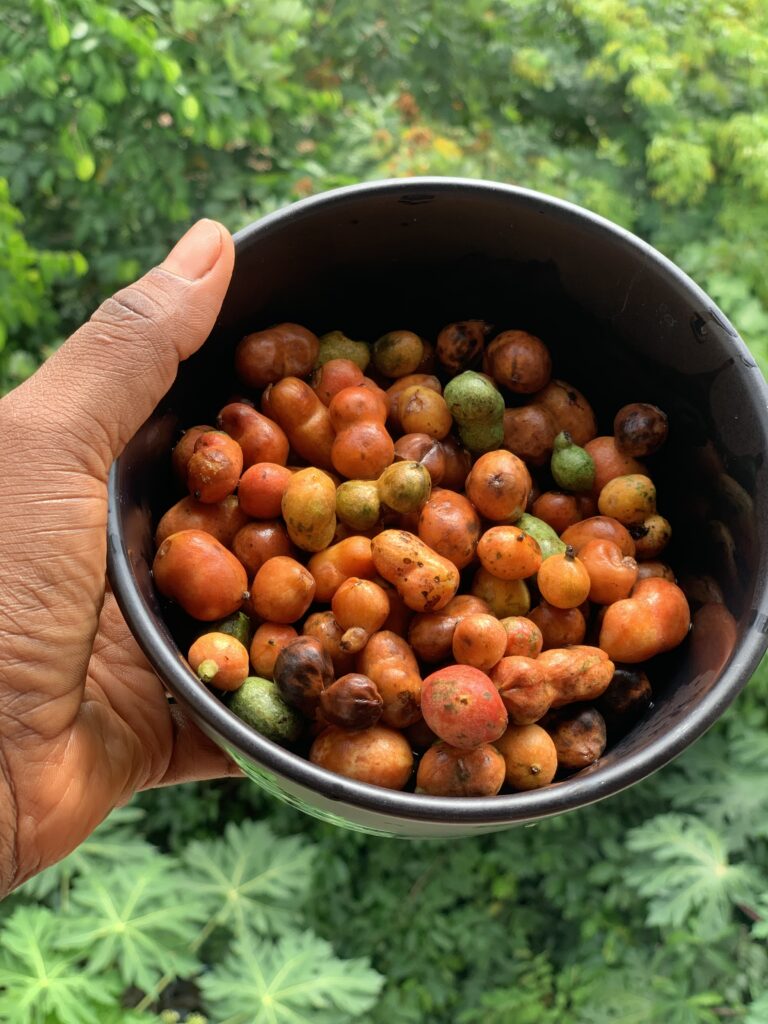
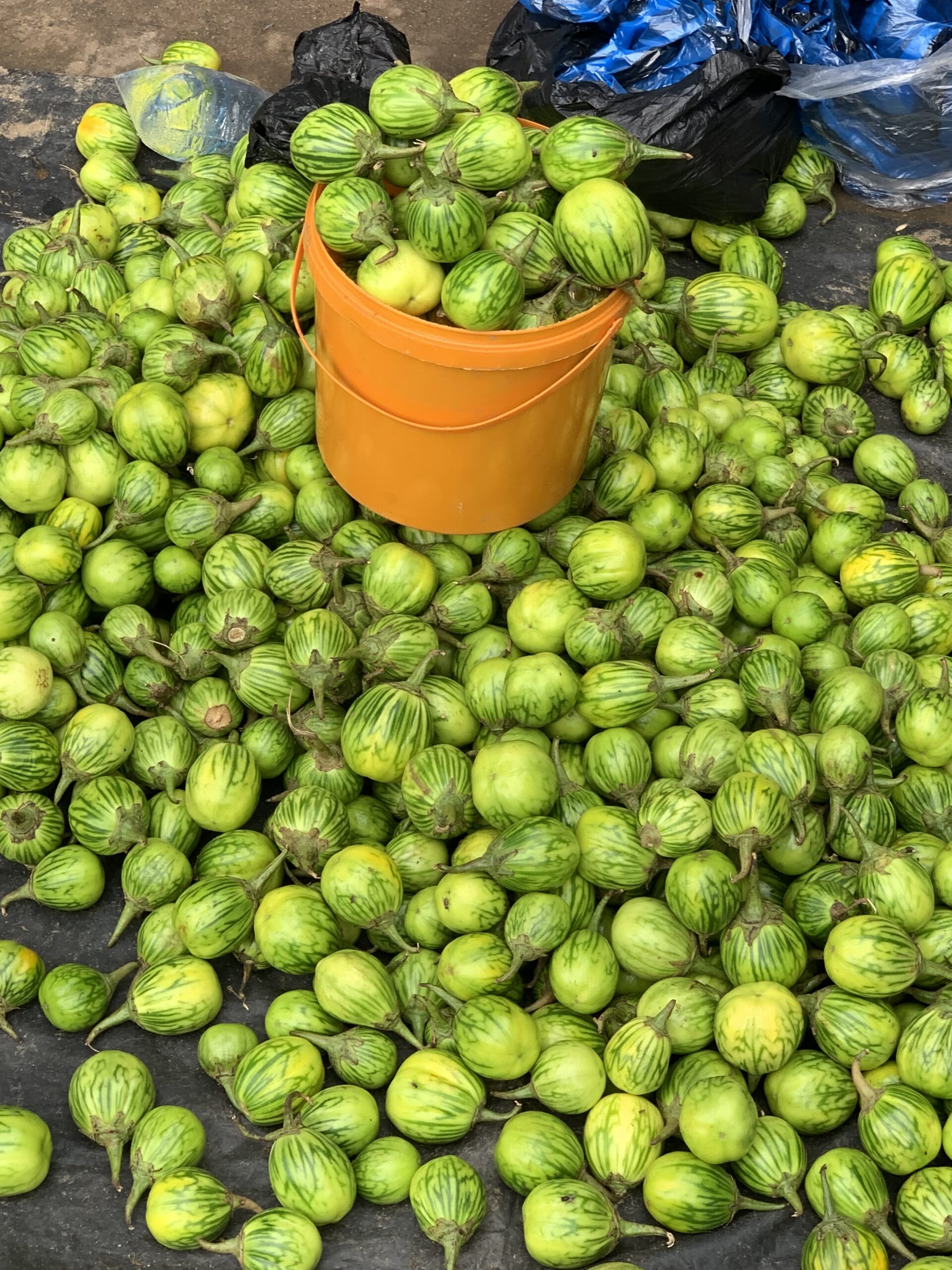
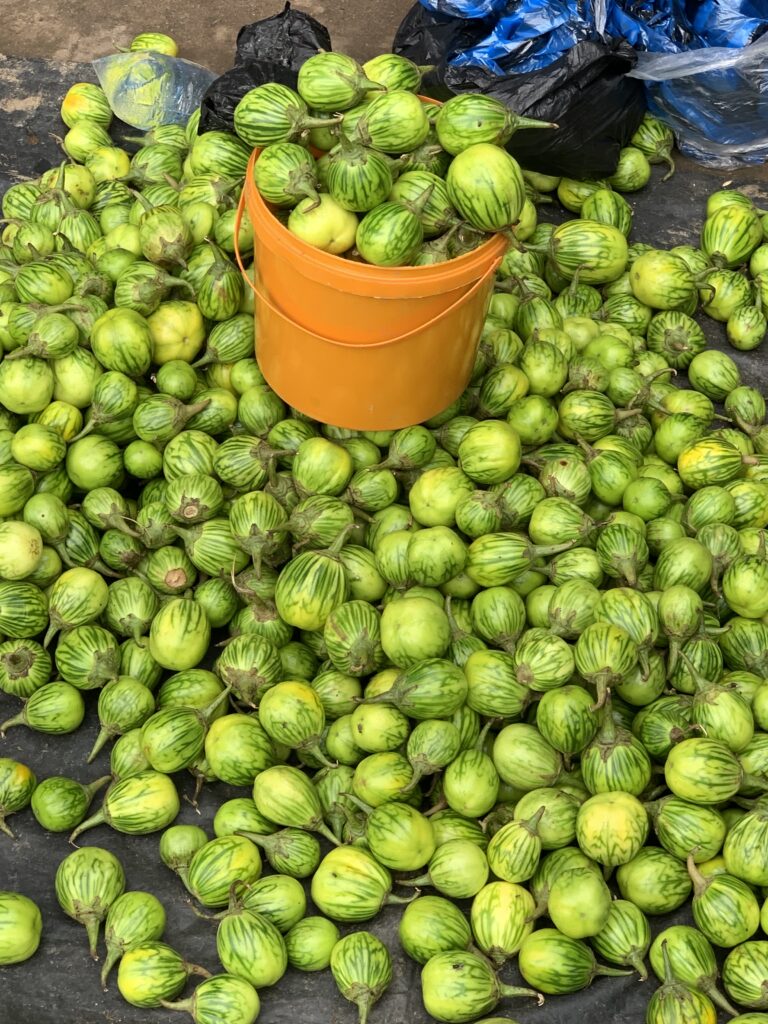
Garden egg is a fruit that is commonly eaten as a vegetable. It belongs to the same plant family as tomatoes, peppers, and eggplants. Depending on the variety, it may be white, green, cream, purple, or striped, with flavors ranging from mildly sweet to pleasantly bitter.
In many Nigerian homes, garden egg is enjoyed raw as a snack, served alongside roasted groundnuts, or cooked in soups, stews, and sauces. Its ability to fit into both traditional and modern recipes makes it one of the most versatile vegetables available.
Besides its unique taste, garden egg is naturally low in calories and contains important nutrients that support a balanced diet.
Garden Egg Nutrition
Garden egg may be simple, but it contains several nutrients your body needs to function well.
It provides dietary fiber, which supports healthy digestion and helps you stay satisfied after meals. It also contains vitamin C, B vitamins, potassium, and small amounts of minerals that contribute to your overall well-being.
Another reason garden egg is worth adding to your plate is its antioxidant content. Antioxidants help protect your body’s cells from damage caused by unstable molecules known as free radicals. Eating a variety of antioxidant-rich fruits and vegetables is one of the simplest ways to support long-term health.
To learn more about the importance of fruits and vegetables in a healthy diet, visit the Harvard T.H. Chan School of Public Health Nutrition Source.
1. Supports Healthy Digestion
If you’ve ever struggled with occasional constipation or sluggish digestion, eating more fiber-rich foods may help.
Garden egg contains dietary fiber, which adds bulk to stool and supports regular bowel movements. A diet that includes enough fiber can also help keep your digestive system functioning smoothly.
While garden egg alone isn’t a cure for digestive problems, it can be a helpful addition to a balanced eating pattern that includes plenty of fruits, vegetables, whole grains, and water.
Simple tip: If you’re new to eating more fiber, increase your intake gradually and drink enough water throughout the day. If digestive health is one of your goals, don’t miss our article on 20 Foods That Support a Healthy Gut.
2. Helps You Feel Full for Longer
Have you ever finished a snack only to feel hungry again an hour later?
Foods that are low in fiber and protein often don’t keep you satisfied for very long.
Garden egg is naturally low in calories and contains fiber, making it a smart choice if you’re trying to manage your appetite between meals. While it won’t replace a balanced meal, pairing it with protein-rich foods like roasted groundnuts, boiled eggs, or grilled fish can create a more satisfying snack.
Instead of reaching for processed snacks every afternoon, consider adding sliced garden egg to your snack routine a few times a week.
3. Rich in Antioxidants
Every day, your body is exposed to factors like pollution, stress, and normal metabolic processes that can produce free radicals. Over time, these unstable molecules may contribute to cell damage.
This is where antioxidants come in.
Garden egg contains naturally occurring plant compounds that help protect your cells from oxidative stress. Although no single food can prevent disease, eating a wide variety of antioxidant-rich fruits and vegetables is an important part of a healthy lifestyle.
Rather than relying on supplements, it’s generally better to get antioxidants from whole foods whenever possible.
4. Supports Heart Health
Your heart works around the clock, and the foods you eat play an important role in keeping it healthy.
Garden egg contains fiber and potassium, two nutrients that contribute to heart health when consumed as part of a balanced diet.
Potassium helps support normal blood pressure, while fiber is known to play a role in maintaining healthy cholesterol levels.
Remember, no single food can guarantee a healthy heart. The biggest benefits come from an overall eating pattern that includes plenty of vegetables, fruits, whole grains, lean proteins, and regular physical activity. Looking for another nutritious vegetable? Read Okra: Powerful Nutritional Benefits and Why It’s Good for Your Health.
The World Health Organization (WHO) recommends eating plenty of fruits and vegetables as part of a healthy diet to help lower the risk of chronic diseases.
5. A Good Choice for Weight Management
When people think about eating healthier, they often assume they have to give up filling foods.
The truth is, choosing foods that are naturally low in calories but high in fiber can help you feel satisfied without overeating.
Garden egg fits that description well.
Whether you enjoy it raw, grilled, or cooked in a vegetable sauce, it can add volume to your meals without adding excessive calories.
If your goal is to maintain a healthy weight, focus on your overall eating habits rather than searching for a single “weight-loss food.” Garden egg works best as part of a balanced diet filled with a variety of nutritious foods. Looking for healthier snack ideas? Explore 30 Healthy Snacks for Busy People That Are Easy , Filling, and Delicious.
6. May Help Support Healthy Blood Sugar Management
If you’re trying to make healthier food choices, it’s worth paying attention to foods that are naturally high in fiber.
Because garden egg contains fiber and is relatively low in calories, it can fit well into a balanced eating plan. Fiber slows the digestion of food, which helps your body absorb carbohydrates more gradually. This can support steadier blood sugar levels when garden egg is eaten as part of a balanced meal.
This doesn’t mean garden egg is a treatment for diabetes or can replace medication. However, including more non-starchy vegetables in your meals is a healthy habit that many healthcare professionals encourage.
If you have diabetes or another medical condition, always follow your healthcare provider’s advice about your diet.
7. Provides Important Vitamins and Minerals
Your body needs a variety of vitamins and minerals every day, and no single food can provide everything.
Garden egg contributes small amounts of nutrients such as vitamin C, several B vitamins, and potassium, all of which play important roles in keeping your body functioning normally.
Vitamin C supports your immune system and helps your body produce collagen, while potassium helps maintain normal muscle and nerve function.
Although garden egg shouldn’t be your only source of these nutrients, it’s another reason to include a variety of vegetables in your meals throughout the week.
8. A Smart Way to Eat More Vegetables
Many people know they should eat more vegetables but struggle to make them part of their daily routine.
Garden egg makes this easier because it’s incredibly versatile.
You can enjoy it raw as a snack, grill it alongside fish or chicken, add it to stews, or include it in traditional Nigerian dishes. Its mild flavor also blends well with tomatoes, onions, peppers, and other vegetables.
Instead of forcing yourself to eat vegetables you don’t enjoy, look for simple ways to include ones you already like. Healthy eating becomes much easier when your meals are both nutritious and enjoyable.
9. Naturally Low in Calories
If you’re looking for foods that help you build balanced meals without adding too many calories, garden egg is an excellent choice.
Because it’s naturally low in calories and contains fiber, it can help add volume to your plate, making meals feel more satisfying.
A simple lunch of grilled fish, steamed vegetables, brown rice, and garden egg can be far more filling than a meal built around heavily processed foods.
The goal isn’t to eat less food, it’s to eat foods that nourish your body while helping you feel satisfied.
10. An Affordable Addition to a Healthy Diet
One of the biggest misconceptions about healthy eating is that it has to be expensive.
In reality, some of the most nutritious foods are often the most affordable and easiest to find.
Garden egg is widely available in local markets across Nigeria and many other African countries, making it an accessible choice for families who want to eat more vegetables without stretching their budget.
Healthy eating isn’t about buying trendy superfoods. It’s about making the most of wholesome, nutritious foods that are available where you live.
Easy Ways to Enjoy Garden Egg
One of the reasons garden egg has remained popular for generations is its versatility.
Here are a few simple ways to include it in your meals:
- Enjoy it raw with roasted groundnuts as a satisfying snack.
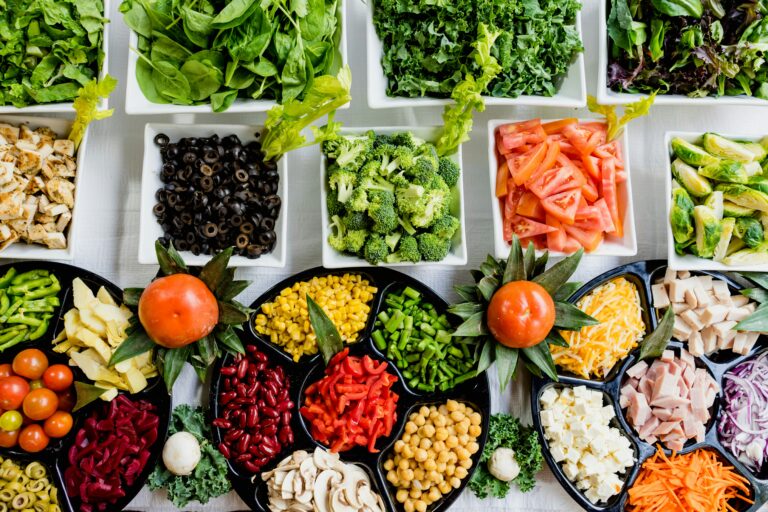
- Add sliced garden egg to vegetable salads for extra crunch.
- Grill or roast it as a side dish with fish, chicken, or lean meat.
- Cook it into soups, stews, and traditional sauces.
- Blend it into vegetable sauces with tomatoes, onions, and peppers.
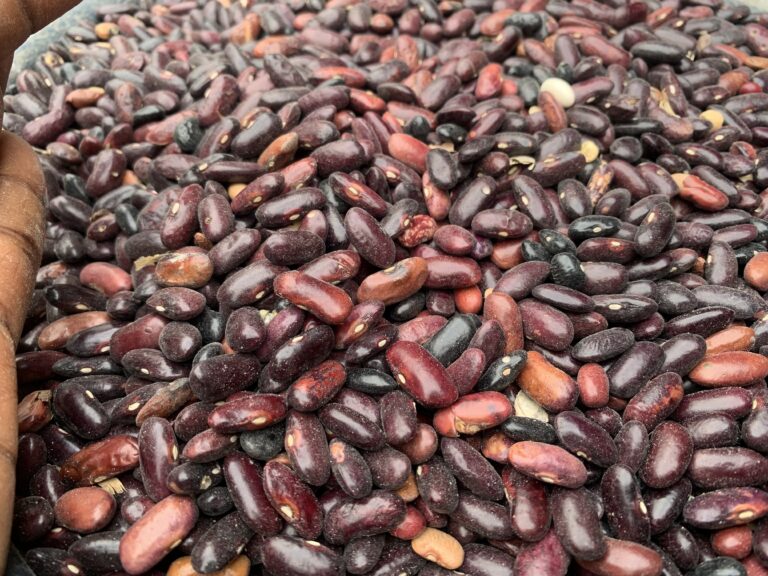
- Pair it with beans or other legumes for a filling, nutritious meal.
Trying different cooking methods can help you discover new flavors and keep your meals interesting.
Who Should Be Careful When Eating Garden Egg?
Garden egg is safe for most people when eaten as part of a balanced diet. However, there are a few situations where you may want to be cautious.
If you have a known allergy to eggplants or other vegetables in the nightshade family, speak with your healthcare provider before eating garden egg.
Because it’s high in fiber compared to many processed foods, eating a large amount all at once may cause temporary bloating or digestive discomfort if your body isn’t used to it. Increasing your fiber intake gradually and drinking enough water can help reduce this.
If you have a medical condition that requires a special diet, it’s always a good idea to seek personalized advice from a qualified healthcare professional.
Frequently Asked Questions
Is garden egg good for weight loss?
Garden egg can be part of a healthy weight management plan because it’s naturally low in calories and contains fiber that helps you feel satisfied. However, no single food causes weight loss on its own. A balanced diet and regular physical activity are still the most important factors.
Can people with diabetes eat garden egg?
Many people with diabetes enjoy non-starchy vegetables like garden egg as part of a balanced eating plan. If you have diabetes, it’s best to discuss your individual dietary needs with your healthcare provider or a registered dietitian.
Is it better to eat garden egg raw or cooked?
Both can be healthy options.
Eating it raw provides a crisp texture that’s perfect for snacks, while cooking can soften its flavor and make it easier to include in a variety of dishes.
Can I eat garden egg every day?
For most healthy adults, garden egg can be enjoyed regularly as part of a varied diet. The key is to eat a wide range of fruits and vegetables rather than relying heavily on one food.
Final Thoughts
Garden egg may not receive as much attention as some popular “superfoods,” but that doesn’t make it any less valuable.
It’s affordable, versatile, naturally low in calories, and provides fiber, vitamins, and beneficial plant compounds that can support your overall health. Whether you enjoy it raw with roasted groundnuts, grilled alongside your favorite meal, or cooked into a traditional dish, it’s a simple way to add more vegetables to your diet.
Remember, good health isn’t built around one perfect food. It’s the result of the everyday choices you make over time. Including wholesome foods like garden egg in your meals is one practical step toward building healthier eating habits that last.