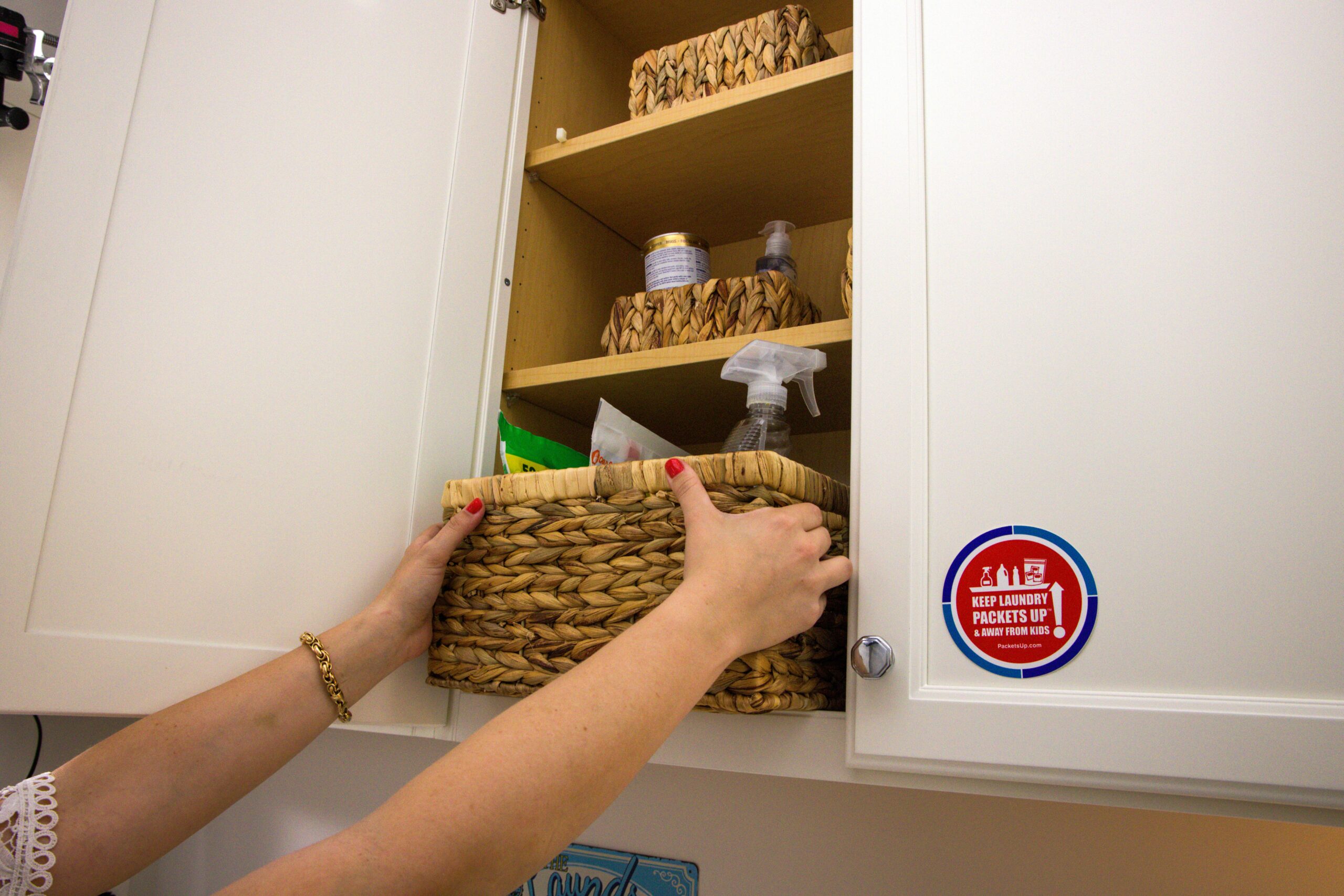
7 Home Organization Mistakes That Are Making Your Home Harder to Manage
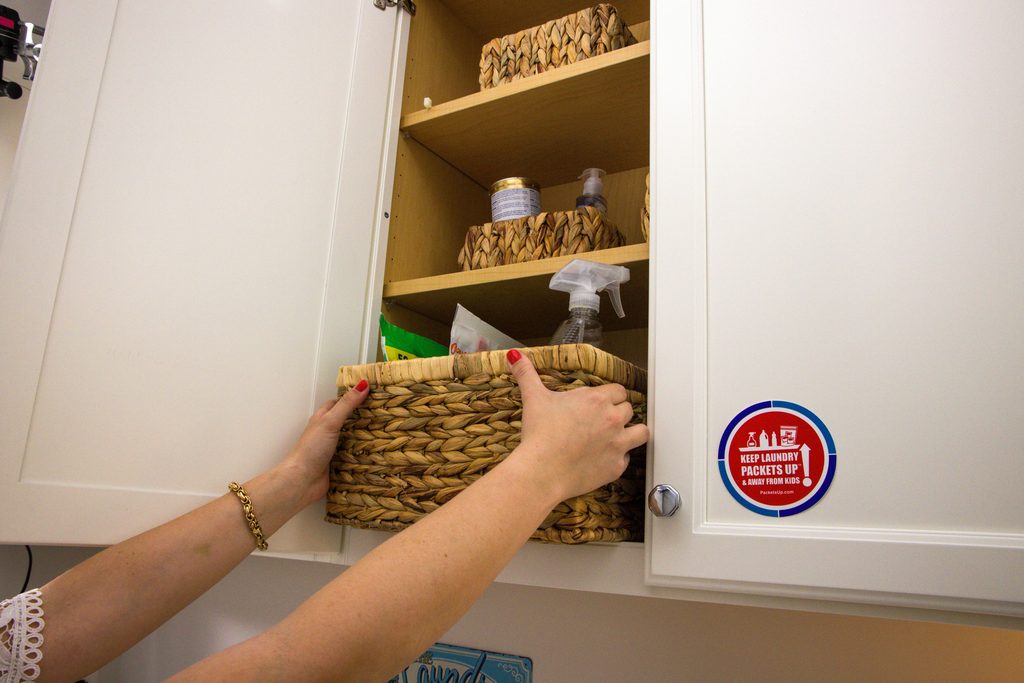
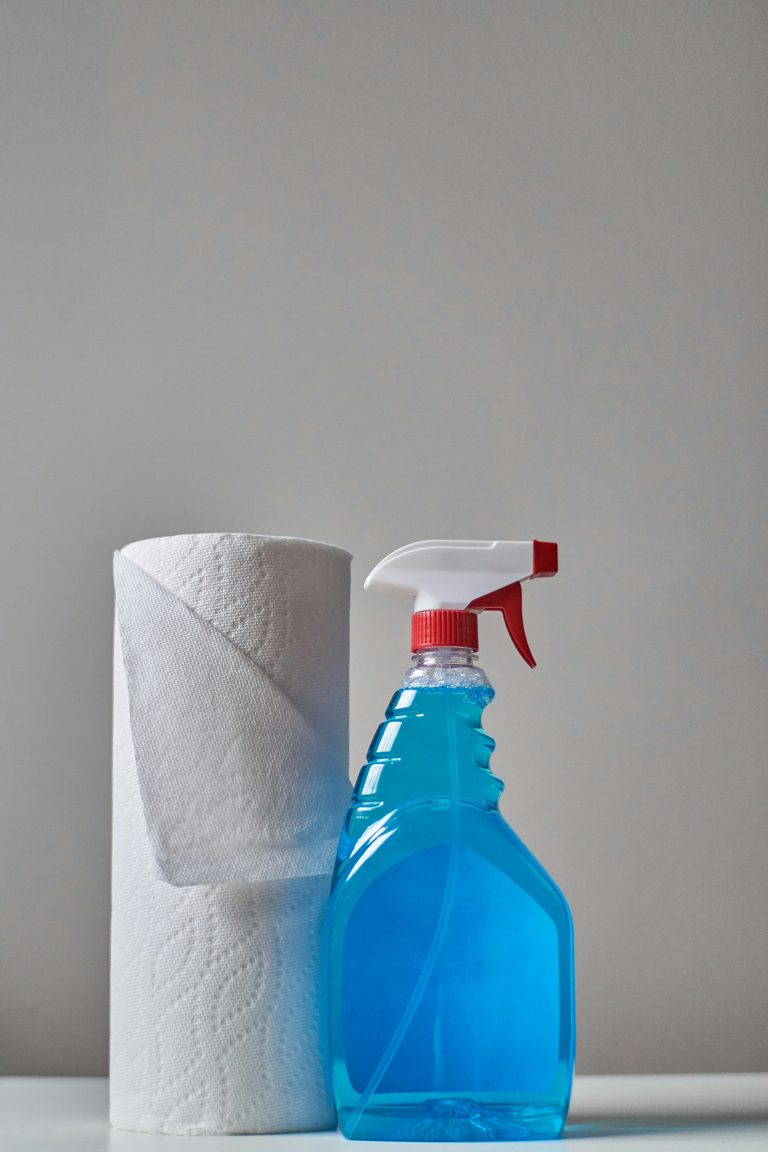
Photo by American Cleaning Institute on Unsplash
A home can be clean and still feel difficult to manage.
You can sweep the floors, wash the dishes, arrange the furniture, and put everything away, yet a few days later, things are scattered everywhere again. The problem may not be that you are not cleaning enough. It may be the way your home is organized.
I have learned that keeping a home organized is not just about having beautiful baskets, storage boxes, or perfectly arranged shelves. It is about creating a system that works for the people who actually live there.
If something is difficult to put away, you will probably leave it out. If there is no proper place for something, it will eventually end up on a chair, table, countertop, or floor. And if your storage system requires too much effort, it will be difficult to maintain when you are tired or busy.
The American Cleaning Institute recommends tackling clutter gradually, working room by room, grouping similar items, and giving belongings practical homes rather than trying to organize everything at once.
If your home always seems to become messy again, here are 7 home organization mistakes that may be making things harder than they need to be.
1. Buying Storage Before Decluttering
This is one of the easiest mistakes to make.
You see beautiful baskets online, storage boxes at the shop, or a clever organizer that promises to make everything look neat. You buy it, bring it home, and start putting things inside.
For a while, everything looks better.
Then you realize something important: you still have too many things.
Storage can help you arrange the things you actually need, but it cannot solve the problem of having more belongings than your space can comfortably handle.
Before buying another container, go through the things you already have.
Ask yourself:
- Do I use this?
- Do I still need it?
- Do I have several versions of the same thing?
- Is it broken?
- Have I used it in the last year?
- Am I keeping it because I need it or because I feel guilty throwing it away?
Start with obvious items such as empty containers, broken household items, clothes you no longer wear, expired products, and things you have been moving from one corner to another without using.
Once you reduce the amount of stuff, organizing what remains becomes much easier.
The American Cleaning Institute also recommends measuring your space and belongings before purchasing storage so that you do not end up buying containers that do not actually work for your home.
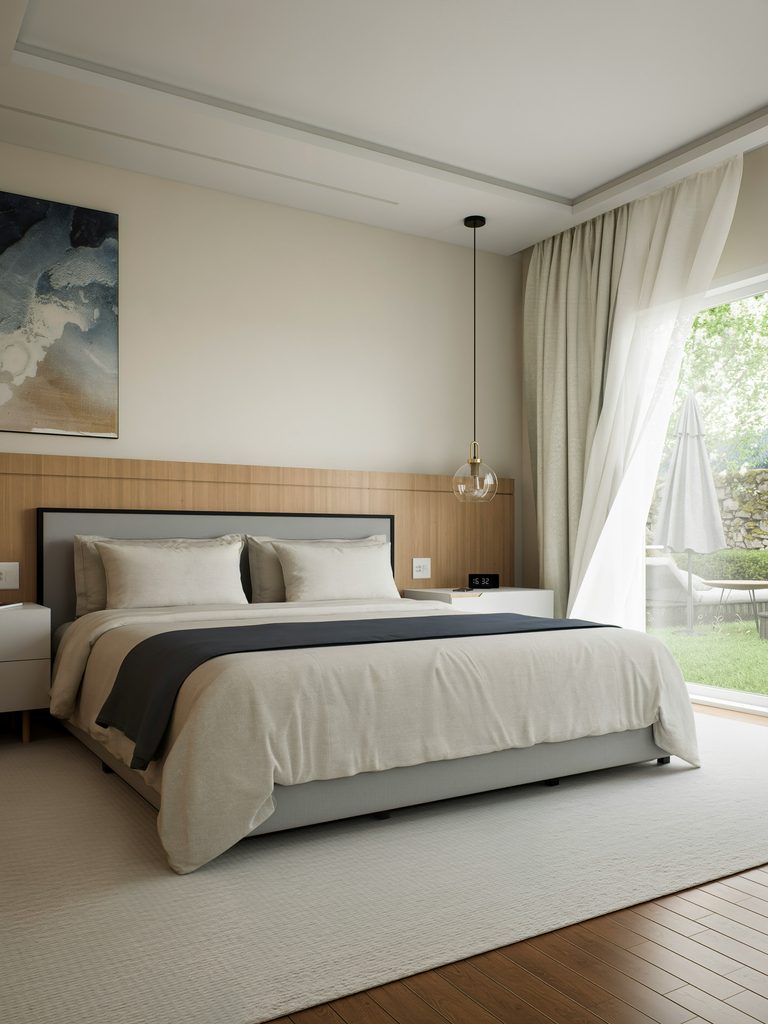
Your bedroom is also a good place to start decluttering, especially if you have things taking up space that you no longer need, so take a look at these things you should stop keeping in your bedroom.
2. Giving Things a Home That Is Too Far Away
This sounds small, but it can make a huge difference.
Imagine that your children use their school bags every morning. Their bags are supposed to go into a wardrobe at the end of the day, but the wardrobe is upstairs or in another room.
What do you think will happen?
The bags will probably end up on the sofa.
The same thing happens with shoes, toys, handbags, keys, remote controls, cleaning supplies, and other everyday items.
When the place where something belongs is inconvenient, people are less likely to put it there.
Instead of asking, “Where would this look best?” ask:
“Where would I naturally look for this, and where would it be easiest to put it back?”
Keep frequently used things close to where they are actually used.
For example:
- Keep everyday shoes near the entrance.
- Keep cooking utensils close to where you prepare food.
- Keep children’s school items in one easy-to-reach area.
- Keep cleaning tools where you can quickly access them.
- Keep frequently used bathroom products within easy reach.
A good organization system should make life easier, not create another chore.
3. Trying to Organize Everything at Once
Have you ever looked around the house and thought, “Today, I am going to organize everything”?
Then you start with the bedroom.
Halfway through, you find clothes that need folding, old papers that need sorting, things that belong in the kitchen, and a drawer full of random items.
Before you know it, the whole room looks worse than when you started.
This is why trying to organize the entire house at once can become overwhelming.
Instead, choose one small area.
It could be:
- One kitchen cabinet
- One wardrobe shelf
- One bathroom drawer
- One bedside table
- One children’s toy box
- One section of the living room
Finish that area before moving to another.
The American Cleaning Institute recommends going room by room or even focusing on a single drawer or closet rather than allowing the size of the entire house to become overwhelming.
You do not have to finish your whole house in one day.
A drawer that is properly organized is still progress.
4. Keeping Things Without a Clear Purpose
“I might need it someday.”
That sentence has probably saved many unnecessary items from being thrown away.
There is nothing wrong with keeping things you genuinely expect to use. The problem starts when “just in case” becomes the reason for keeping almost everything.
Old containers.
Clothes that no longer fit.
Broken appliances.
Random cables.
Empty boxes.
Children’s toys they no longer use.
Kitchen gadgets you bought years ago but rarely touch.
Before long, your storage spaces become full of things that belong to an imaginary future instead of the life you are living now.
This does not mean you need to throw away everything you have not used recently. Some items are seasonal, sentimental, or genuinely useful when needed.
But it is worth asking whether an item has a real purpose.
If you have several things that perform the same job, choose the ones you actually use and enjoy.
You may also find that some things can be donated, sold, recycled, or given to someone who needs them.
Decluttering becomes easier when you stop asking, “Can I find a reason to keep this?” and start asking, “Does this deserve the space it is taking?”
5. Creating Storage Systems That Are Too Complicated
Your organization system should not require a user manual.
If you have to move three boxes before reaching the one you need, you may eventually stop putting things back.
This is especially true for busy homes.
You need systems that can survive real life.
For example, instead of putting children’s toys into several complicated categories, you might use a few simple groups:
Cars | Dolls | Books | Building toys | Everything else
Instead of having ten different containers for cleaning supplies, group similar products together.
Instead of folding every small piece of clothing in a complicated way, use a simple method that you can maintain.
The goal is not to create the most beautiful storage system.
The goal is to create a system that you can actually maintain on an ordinary Tuesday when you are tired.
Simple organization often lasts longer than complicated organization. If you’re looking for more practical ways to keep your home organized, you can also check out these brilliant home organization hacks that can make everyday tidying much easier.
6. Organizing Without Involving the Rest of the Family
One person can clean the entire house, but one person cannot realistically be responsible for every single thing everyone else leaves behind.
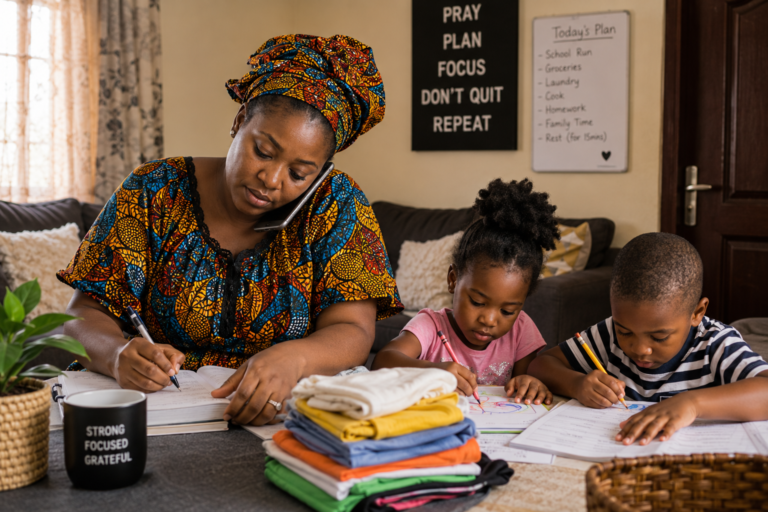
If you live with other people, organization needs to become a shared responsibility.
Children can learn to put away toys.
Older children can keep their rooms reasonably tidy.
Family members can return dishes to the kitchen.
Everyone can put dirty clothes where they belong.
Everyone can learn where everyday items are kept.
The American Cleaning Institute also recommends making household cleaning and tidying a shared responsibility, with tasks appropriate to each person’s age and responsibilities.
This does not mean children need to do adult-sized chores.
A young child may simply put toys into a basket.
An older child may make the bed, put clothes in the laundry basket, or tidy a study area.
The more everyone understands where things belong, the less one person has to keep putting everything back.
7. Organizing Without Creating a Simple Reset Routine
Even a beautifully organized home will become untidy.
People live there.
Children play.
Meals are prepared.
Clothes are changed.
Visitors come.
Things move around.
So the goal should not be to keep your home perfectly organized every minute of the day.
Instead, create a simple reset routine.
At the end of the day, spend 10 or 15 minutes returning things to their proper places.
You could:
- Clear the dining table.
- Put toys away.
- Return shoes to their usual place.
- Put dirty clothes in the laundry basket.
- Straighten the living room.
- Put kitchen items back where they belong.
- Throw away obvious rubbish.
- Prepare a few things for the following morning.
You don’t have to deep-clean the house every night.
The idea is simply to prevent small amounts of clutter from becoming a huge weekend project.
A systematic cleaning routine can also save time because you are not constantly working around piles of misplaced items. The American Cleaning Institute recommends picking up clutter before cleaning and working systematically through a room.
If your home still looks messy even after cleaning, take a look at these small things that can make your home look messy even when it’s clean.
How to Make Your Home Easier to Organize
If you recognize yourself in several of these mistakes, don’t feel bad.
You don’t need to reorganize your entire house tomorrow.
Start with one area that causes you the most frustration.
Maybe it is the kitchen counter.
Maybe it is the children’s room.
Maybe it is the wardrobe.
Maybe it is the living room.
Choose one.
Then remove things that do not belong there, group similar items, decide what you actually need, and give the remaining items practical homes.
Most importantly, make the system simple enough for everyone in the house to follow.
A Simple Rule to Remember
Here is one rule that can make home organization much easier:
Everything you regularly use should have a place that makes sense.
And when you bring something new into the house, think about where it will live before you buy it.
This small habit can prevent a lot of future clutter.
You can also use the “one in, one out” approach for certain categories. For example, when you buy a new handbag, pair of shoes, or kitchen item, consider whether you really need to keep another similar item. The American Cleaning Institute recommends this type of ongoing review to prevent clutter from building up again.
Final Thoughts
A well-organized home does not have to look like a showroom.
Real homes get messy.
Children make messes. Meals create dishes. Laundry piles up. Someone will always leave something on the wrong table.
That is normal.
The real goal of home organization is to make everyday life easier.
When your belongings have sensible homes, when your storage is simple, and when everyone in the household knows what to do, cleaning and tidying become much less stressful.
So don’t start by buying more baskets.
Start by looking at what you already have.
Remove what you no longer need. Make everyday items easy to reach. Give important things practical homes. Involve the people who live with you. And create a simple routine for putting things back.
Your home does not need to be perfect.
It just needs to work for you.
Quick Checklist
If you want to start today, ask yourself:
☐ Have I bought storage for things I don’t actually need?
☐ Are the things I use every day easy to reach?
☐ Am I trying to organize too much at once?
☐ Am I keeping too many things “just in case”?
☐ Is my storage system simple enough to maintain?
☐ Does everyone in my home know where things belong?
☐ Do I have a short daily reset routine?
Fixing even two or three of these areas can make your home noticeably easier to manage.