
8 Things Mothers Do Every Day That Are Quietly Making Motherhood Harder
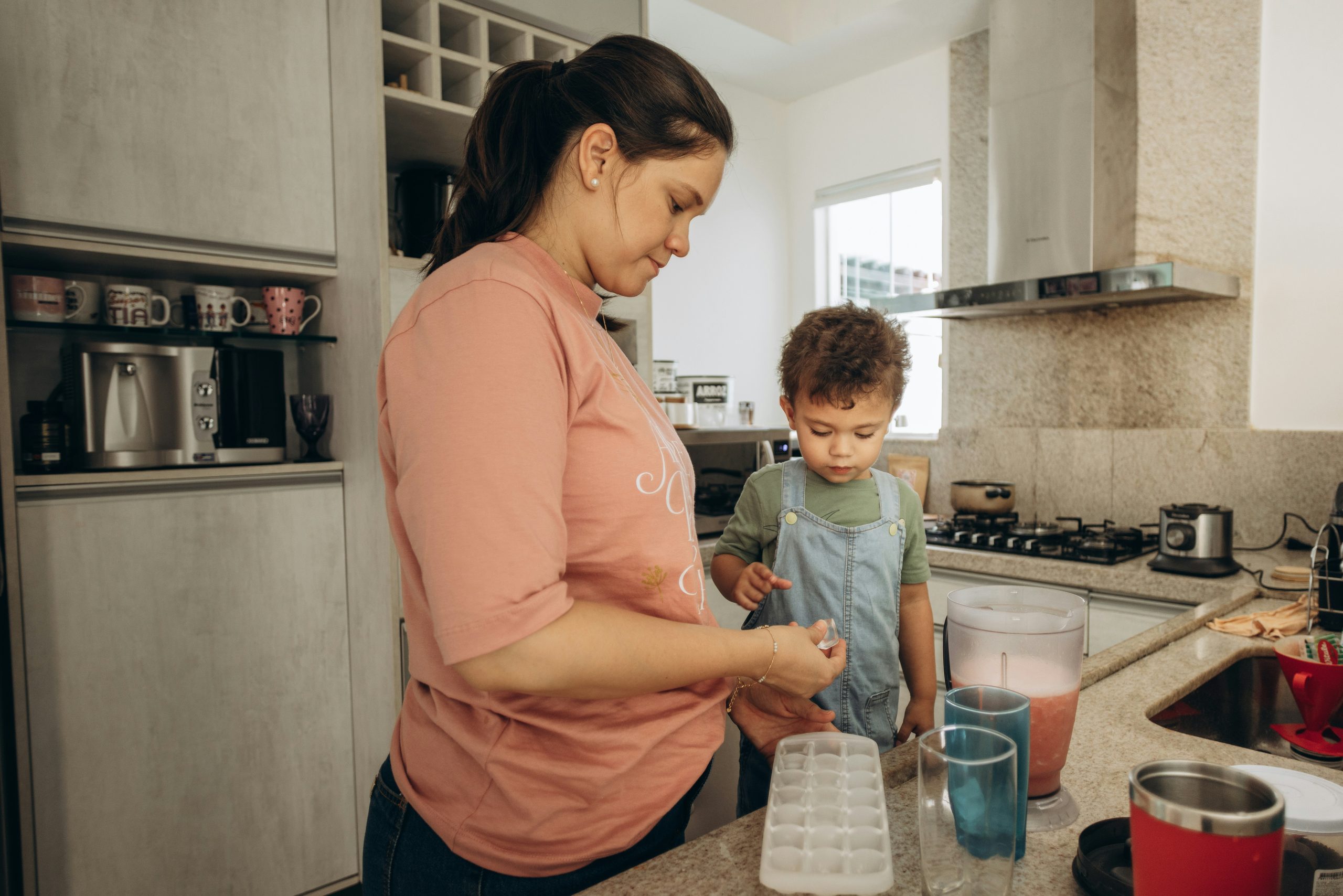
Photo by Jonathan Borba on Unsplash
Things mothers do every day can sometimes make motherhood harder without us even realising it.
You wake up thinking about breakfast, school, work, laundry, what everyone will eat, what needs to be bought, who needs to go where, and what you didn’t finish yesterday.
Then the day starts properly.
Before long, somebody is calling “Mummy,” something has spilled, someone needs help with homework, the kitchen needs attention, and you are already thinking about what you need to do before bedtime.
And in the middle of all this, there are a few things we mothers do without even thinking about them that can make everyday motherhood more stressful than it needs to be.
Not because we are bad mothers.
Not because we don’t know what we are doing.
Most of the time, we do these things because we are trying to keep everything together.
But sometimes, the very habits we think are helping us are the ones leaving us tired, frustrated and feeling like we can never catch up.
Here are eight of them.
1. Trying to do everything yourself
I know this one very well.
You look around the house and think, “Let me just do it myself. It will be faster.”
And sometimes, honestly, it is faster.
You ask your child to put their things away, and after watching them do it for two minutes, you are tempted to say, “Leave it, I’ll do it.”
You ask someone to help with something, but they don’t do it exactly the way you would have done it.
So you take over.
Before you know it, you are cooking, cleaning, organising, remembering appointments, checking schoolwork, buying groceries and still trying to make sure everybody is okay.
The problem is that when you keep doing everything yourself, everybody gets used to you doing everything.
Even the things your children are old enough to handle.
Children can help with simple things at home. They can put away their shoes, arrange their school bags, clear their plates, fold some clothes, tidy their rooms and help with age-appropriate chores.
It may not be done perfectly.
That’s okay.
The goal isn’t to create little adults who can run the entire house.
It is simply to teach them that the home belongs to everyone who lives in it.
And for you, it means there are fewer things sitting on your shoulders.
2. Feeling guilty whenever you rest
This one can be very difficult.
You finally sit down, and almost immediately you remember something else you should be doing.
The clothes in the washing machine.
The dishes.
The food that needs to be prepared.
The room that needs cleaning.
The message you haven’t answered.
So you get up again.
Sometimes we behave as if sitting down is something we have to earn.
We tell ourselves, “Let me finish everything first.”
But when exactly is everything finished?
There is always another plate.
Another load of laundry.
Another meal.
Another mess.
If you wait until the whole house is completely taken care of before you allow yourself to rest, you may wait forever.
Resting for a while does not mean you are lazy.
You can sit down with a cup of tea.
Watch something.
Read a few pages.
Take a nap if you have the opportunity.
Or simply sit quietly without feeling that you should be doing something else.
The house will still be there.
And you will probably handle things better when you are not completely exhausted.
Taking care of yourself is also part of taking care of your family, and the American Psychological Association’s Parenting resources offer useful information on managing the stresses that can come with parenting.
3. Trying to keep the house perfectly clean all the time
Let’s be honest.
If you have children in the house, the house will get messy.
You clean the sitting room.
Someone brings a plate.
You mop the floor.
Someone spills something.
You arrange the cushions.
Someone jumps on them five minutes later.
You clean the kitchen.
Then you have to cook again.
This is normal life.
Of course, we should keep our homes reasonably clean and hygienic. But there is a difference between having a clean home and expecting the house to look untouched all day.
A home is meant to be lived in.
There will be toys.
There will be shoes.
There will be laundry waiting to be folded.
There will be days when you simply don’t get around to everything.
You don’t need to feel like you have failed because the house doesn’t look perfect at 6 p.m.
Choose what actually needs your attention.
If the kitchen is dirty and there is no food for dinner, the kitchen probably matters more than perfectly arranged cushions.
If the children need clean uniforms for school tomorrow, that load of laundry may be more important than dusting every surface.
You don’t have to do everything just because you can see it.
4. Saying yes to everything
Mothers are often expected to be available for everybody.
The children need us.
Our partners need us.
Family members need us.
Friends need us.
Church activities, school activities, neighbours, work and other responsibilities can all find their way onto our already full schedule.
And because we don’t want to disappoint people, we say yes.
“Yes, I can do it.”
“Yes, I’ll come.”
“Yes, I’ll help.”
“Yes, I’ll prepare it.”
Then later, we are wondering why we are exhausted.
It is okay to say no.
It is okay to say, “I won’t be able to do that this time.”
It is okay to say, “I have too much going on right now.”
You don’t have to give everybody a long explanation.
Of course, there will be times when you need to show up for people. That’s part of being a good family member, friend and neighbour.
But you also have to look at what you already have on your plate.
If saying yes to one more thing means you will spend the next three days stressed and irritated, perhaps it wasn’t the right yes.
5. Comparing your motherhood to other mothers
This one is especially easy to do now because we see so much of other people’s lives.
You see a mother whose children always seem well dressed.
Another mother prepares beautiful meals.
Another has a spotless home.
Someone else takes her children on outings every weekend.
Another mother seems to have time for exercise, work, cooking, church, family and everything else.
Then you look at your own life and start wondering what you are doing wrong.
But you are comparing your everyday life with pieces of someone else’s life.
You don’t know what happens after the picture is taken.
You don’t know what help they have.
You don’t know what their finances look like.
You don’t know what their home is like on the days nobody visits.
And you don’t need to know.
Your children don’t need you to copy another mother.
They need you.
Your family has its own needs, routines, personalities and circumstances.
Take ideas from other mothers if they are useful.
Learn from them.
But don’t turn somebody else’s life into a measuring stick for your own motherhood.
It is easy to forget that your children are growing up in their own family, creating their own memories, and experiencing your everyday life in ways you may not realise. I shared more about this in 7 Things Kids Remember About Their Childhood That Can Shape Who They Become.
6. Waiting until you are completely exhausted before asking for help
There is a difference between being independent and refusing help.
Sometimes we don’t ask because we think we should be able to handle everything.
Sometimes we don’t ask because we don’t want to bother anybody.
And sometimes we don’t ask because we’ve become so used to doing everything that we don’t even think of asking.
Then we reach the point where we are completely drained and suddenly everything annoys us.
The children are making noise.
The dishes are still there.
The phone is ringing.
Someone is asking for something.
And you are thinking, “Can everybody just leave me alone?”
If you have help available and you genuinely need it, ask before you reach that point.
Let your partner take over with the children for a while.
Let an older child help with something appropriate for their age.
Ask a family member for help when that is possible.
Even small amounts of help can make a difference.
And if there is nobody available to help, then look at what you can remove from the day’s list instead.
Not everything has to be done today.
7. Thinking every problem has to be solved immediately
Children will have problems.
They will argue with friends.
They will forget things.
They will lose things.
They will have bad days at school.
They will get upset over things that seem very small to us.
And because we love them, our first instinct is often to jump in and fix everything.
But not every problem needs an immediate solution from Mum.
Sometimes your child needs you to listen.
Sometimes they need reassurance.
Sometimes they need to calm down first.
And sometimes they need to try to work through a small problem themselves.
This doesn’t mean ignoring serious issues.
If your child is being bullied, is unsafe, is struggling emotionally or is dealing with something beyond what they can handle, of course you step in.
But if your child forgot where they kept their pencil or had a small disagreement with a friend, you don’t necessarily have to take over the entire situation.
You can ask:
“What do you think you should do?”
“How can you fix it?”
“What do you think happened?”
Questions like these help children learn to think through everyday problems instead of depending on Mum to solve every little thing.
And honestly, it also gives you one less thing to carry.
8. Expecting yourself to be patient all the time
Let’s talk about this one because I think many mothers quietly struggle with it.
We want to be patient.
We want to speak calmly.
We want to handle every situation properly.
But then you have said the same thing five times.
Somebody has spilled water on the floor for the third time.
Someone is refusing to wear the clothes you picked out.
Two children are arguing over the same toy.
You haven’t eaten properly.
You are tired.
And suddenly you hear yourself raising your voice.
Then comes the guilt.
“Why did I shout?”
“I should have handled that better.”
“I am supposed to be more patient.”
Yes, we should work on how we respond to our children.
But expecting yourself never to lose patience is unrealistic.
The important thing is what happens after the difficult moment.
Calm down.
Apologise if you were wrong.
Talk about what happened.
Try again.
You are allowed to be a mother who is still learning.
Your children don’t need a mother who never makes mistakes.
They need a mother who is willing to recognise them and do better.
Even on the days when you lose your patience, there are still simple ways to reconnect with your children and make them feel loved.
You Don’t Have to Fix Everything About Your Motherhood
After reading these eight things, please don’t turn them into another list of things you now have to do perfectly.
That would defeat the whole purpose.
Maybe you recognised yourself in one or two of them.
That’s enough.
Perhaps you have been trying to do everything yourself.
Perhaps you feel guilty whenever you rest.
Perhaps you have been comparing yourself with other mothers.
Or perhaps you have simply been saying yes to too many things.
Pick the one that is making your days harder and see if you can make a small change.
You don’t have to suddenly change your entire routine.
If your children are old enough, give them one or two responsibilities at home.
If you have been saying yes to everything, practise saying no when you genuinely cannot do something.
If you have been comparing yourself with other mothers, take a break from the accounts that make you feel like you are not doing enough.
If you are tired, rest when you can.
Small changes can make everyday life feel different.
Motherhood Is Already a Lot of Work
There is enough work in motherhood without adding unnecessary pressure to it.
We are going to have untidy days.
We are going to forget things.
We are going to get tired.
We are going to lose our patience sometimes.
We are going to have days when dinner is very simple because that is all we can manage.
And that doesn’t make us bad mothers.
The goal isn’t to make motherhood look perfect.
The goal is to make everyday family life manageable enough that we can actually enjoy some of it.
So if there is something you have been doing that is making life harder for you, give yourself permission to change it.
You don’t have to explain every decision to everybody.
You don’t have to keep doing something simply because you’ve always done it that way.
And you certainly don’t have to prove that you are a good mother by exhausting yourself.
Take care of your children.
Take care of your home.
But remember to leave a little room to take care of yourself too.
Because you are part of this family as well.